| At a Glance | |
| Common Name | Begonia (Rex, Cane, Wax, Rhizomatous — varies by type) |
| Plant Type | Tropical perennial — foliage or flowering depending on variety |
| Light Required | Bright indirect light; no direct sun |
| Soil / Medium | Light, well-draining potting mix |
| Difficulty | Easy to Intermediate |
| Mature Size | 20cm to 1m depending on type |
| Toxicity | Toxic to cats and dogs; mildly toxic to humans |
| Native Habitat | Tropical and subtropical regions worldwide |
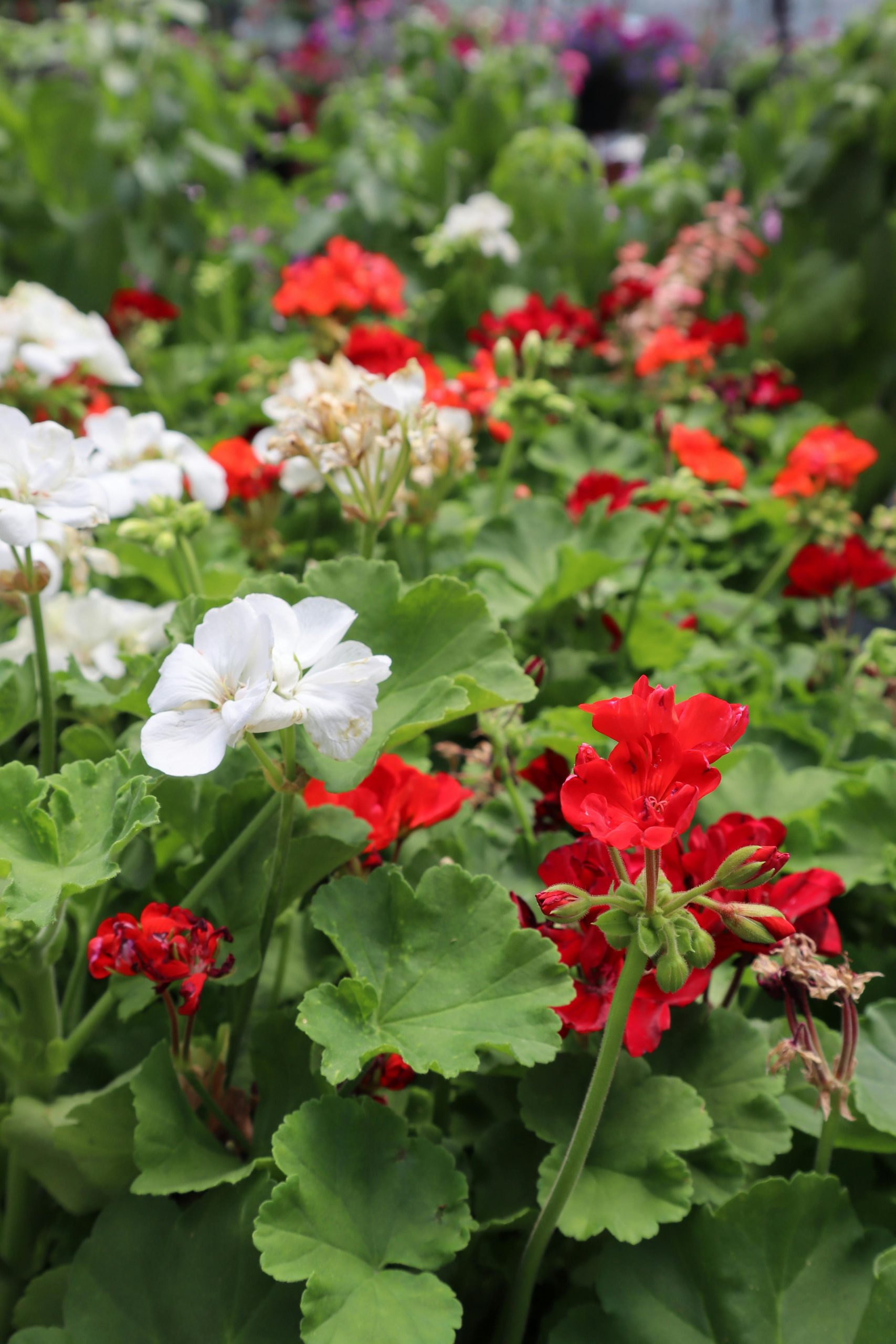
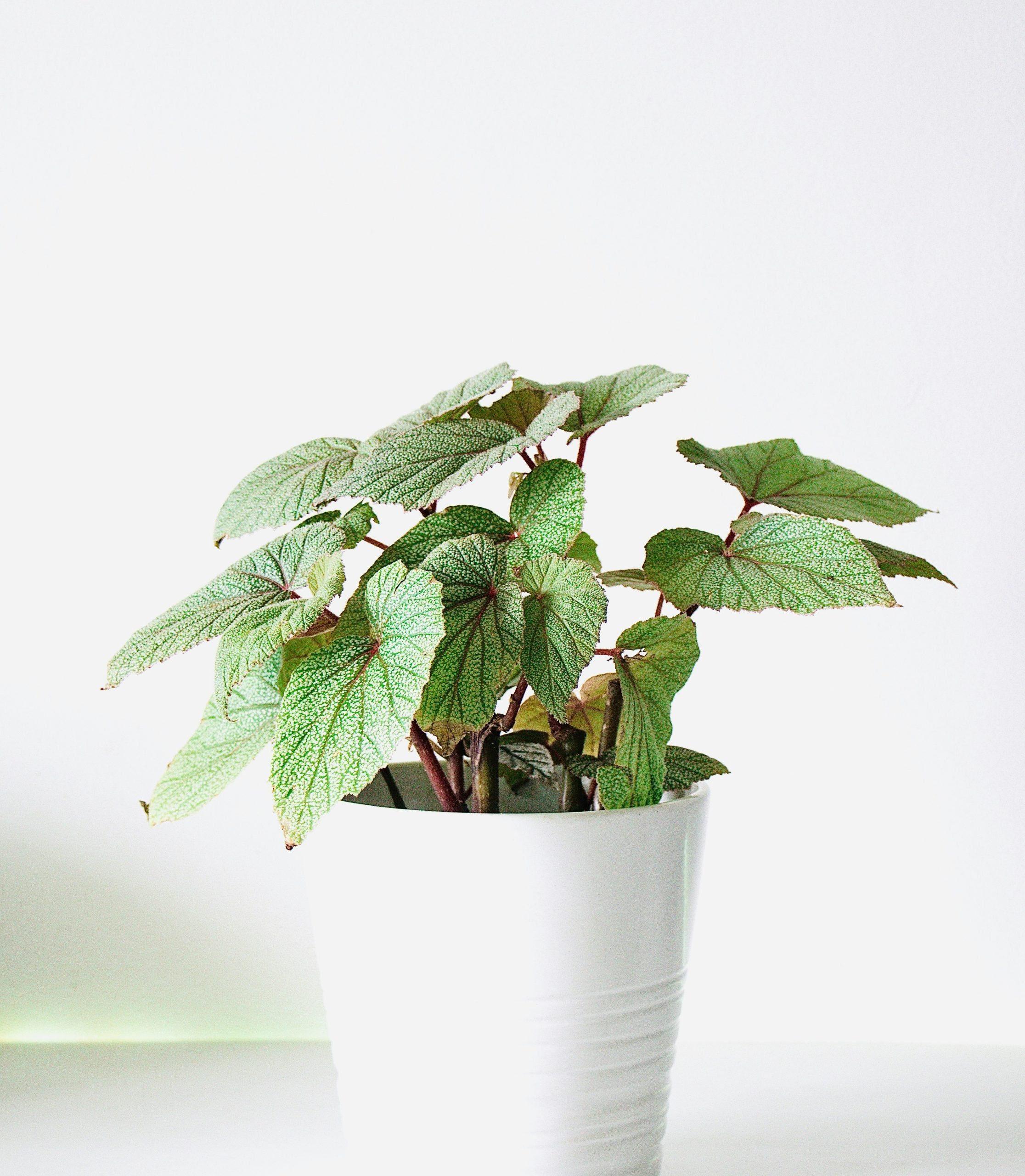
Begonias are one of the most diverse plant genera in cultivation — the same genus covers the small, glossy-leaved wax begonias sold in garden centres for summer bedding, the spectacularly patterned Rex begonias grown for their foliage, and the tall cane begonias with their angel wing leaves and clusters of pink or white flowers. Indoors in the UK, Rex and cane begonias are the most commonly kept as houseplants. Both reward consistent care with continuous interest — Rex varieties for their extraordinary leaf patterning, cane varieties for near-year-round flowers. The care requirements across types are broadly similar, with humidity being the key variable.
Light Requirements
Begonias need bright indirect light for best growth and flowering. Direct sun scorches the large, often delicate leaves — particularly in Rex varieties, which have almost no tolerance for direct sun. An east-facing window or a position back from a south-facing window with filtered light suits most indoor varieties well.
Cane begonias (angel wing types) tolerate slightly more light than Rex varieties and will produce more flowers with a brighter position. Rex begonias, grown primarily for their foliage, perform well in medium indirect light and are one of the better choices for rooms that are bright but not intensely lit.
Soil & Growing Medium
Use a light, well-draining potting mix. A standard houseplant compost with 20-30% perlite added works well. Begonia roots are fine and sensitive to compaction — avoid dense, heavy mixes that restrict airflow to the root zone.
Some growers add a small amount of horticultural grit for extra drainage. The mix should drain freely but retain just enough moisture to stay consistently slightly damp between waterings. Begonias prefer a slightly more moisture-retentive medium than succulents but lighter than, say, peace lilies.
Watering
Water when the top 2-3cm of compost are dry. Begonias prefer consistent light moisture — they dislike both drought and waterlogged conditions. Overwatering is the more common problem and causes stem rot, which progresses rapidly at the base of the plant.
Avoid getting water on the leaves of Rex begonias in particular — water droplets cause spotting and can trigger botrytis (grey mould) in humid conditions. Water at the soil surface carefully or use bottom watering. Use room-temperature water; cold water causes spotting on susceptible varieties.
Temperature & Humidity
Begonias prefer 16-24°C. They dislike temperature extremes in both directions — cold draughts cause leaf drop and stem die-back, while very high temperatures in summer cause wilting and reduced flowering. Keep away from radiators and cold windowsills.
Humidity above 50% suits most begonias, but Rex varieties in particular are susceptible to botrytis in very high, stagnant humidity. Good airflow combined with moderate humidity (50-60%) is better than high humidity with poor ventilation. Avoid misting Rex begonias — the water on leaves in combination with humidity encourages fungal problems.
Fertilising
Feed every two weeks during the growing season with a phosphorus-rich fertiliser to support flowering in cane and wax varieties, or a balanced fertiliser for Rex varieties grown purely for foliage. Reduce to monthly in autumn and stop in winter. Consistent feeding during the growing season makes a visible difference to flower production in cane begonias.
Grow Light Compatibility
Begonias adapt well to grow lights and are a sensible choice for rooms without bright natural light. Rex varieties in particular do not need high intensity — a modest full-spectrum LED at 10-12 hours per day maintains good foliage colour and growth. Cane begonias benefit from slightly higher intensity to sustain consistent flowering.
Toxicity
Begonias are toxic to cats and dogs. The most toxic parts are the underground tubers and rhizomes, but the foliage also causes oral irritation, drooling, and vomiting if ingested. Mildly toxic to humans in quantity. Keep out of reach of pets — the large, patterned leaves of Rex begonias can attract investigation from curious animals.
Pruning
Prune cane begonias regularly to encourage bushy, branching growth — cut stems back to just above a node. Without pruning, cane types become leggy with bare lower stems. Remove spent flowers and any yellowed or damaged leaves throughout the growing season. Rex begonias need minimal pruning beyond removing damaged leaves.
A harder cut-back of cane begonias in early spring, removing a third of the plant, promotes fresh growth and more vigorous flowering through the season.
Propagating
Stem cuttings work well for cane and wax begonias. Take a cutting of 8-10cm with two or three leaves and a node, remove the lower leaves, and place in water or moist compost. Roots appear within two to three weeks.
Rex begonias are propagated by leaf cuttings. Cut a healthy leaf into sections, each containing a main vein, and press them flat onto moist compost. New plantlets emerge from the veins within four to six weeks. Alternatively, a whole leaf with its petiole can be inserted into compost — small plants emerge from the base of the petiole.
Indoor Setup Notes
Rex begonias suit bright shelves and desks where their extraordinary leaf patterning can be appreciated at close range. Cane begonias suit window positions where they have space to grow upright and their hanging flower clusters are visible.
In a UK home, east-facing rooms are particularly well-suited to begonias — the gentle morning light, absence of harsh afternoon sun, and typical temperatures suit most varieties. Avoid south-facing windowsills in summer without filtering.
Potting & Repotting
Repot every one to two years in spring, or when clearly root-bound. Go up by one pot size only — begonias prefer snug pots and are at increased rot risk in oversized containers. Use light, fresh compost at each repotting. Rex begonias are often grown in shallow pots because their rhizomes spread horizontally rather than deeply.
Common Pests & Problems
- Botrytis (grey mould): Grey fuzzy patches on leaves or stems. Improve airflow immediately, remove affected tissue, and avoid wetting leaves. Most common on Rex begonias in still, humid conditions.
- Stem rot at the base: Overwatering or poor drainage. Remove affected tissue, allow to dry, and reduce watering frequency.
- Powdery mildew: White powdery coating on leaves. Improve airflow and treat with dilute neem oil.
- Leaf drop: Cold draughts, temperature extremes, or being moved. Stabilise conditions.
- Spider mites: Dry conditions. Treat with insecticidal soap; improve humidity carefully.
- Mealybugs: White deposits in leaf joints. Treat with isopropyl alcohol and neem oil.
FAQ
What is the difference between Rex and cane begonias?
Rex begonias are rhizomatous plants grown primarily for their extraordinarily patterned foliage — the leaves are the main event. Cane begonias (angel wing types) are taller, upright plants that produce clusters of flowers almost year-round. Both are kept as houseplants but for different reasons.
Why is my begonia dropping leaves?
Cold draughts, being moved, inconsistent watering, or natural ageing of lower leaves. Check the environment first — temperature and draught exposure are the most common causes of sudden leaf drop.
Can begonias flower indoors year-round?
Cane and wax begonias can flower almost continuously indoors in good light. Rex begonias are not primarily flowering plants. With consistent bright indirect light and regular phosphorus-rich feeding, cane begonias rarely stop blooming.
Are begonias annuals or perennials?
Indoors as houseplants, begonias are treated as perennials and can live for many years. The wax begonias used for outdoor bedding are typically grown as annuals in the UK climate, but the same plants kept indoors will continue growing through winter.