| At a Glance | |
| Common Name | Lavender, English Lavender |
| Plant Type | Mediterranean perennial shrub |
| Light Required | Direct sun — 6+ hours daily |
| Soil / Medium | Very free-draining, alkaline gritty compost |
| Difficulty | Challenging indoors |
| Mature Size | 30–60cm |
| Toxicity | Non-toxic to humans; mildly toxic to cats and dogs in large quantities |
| Native Habitat | Mediterranean basin |
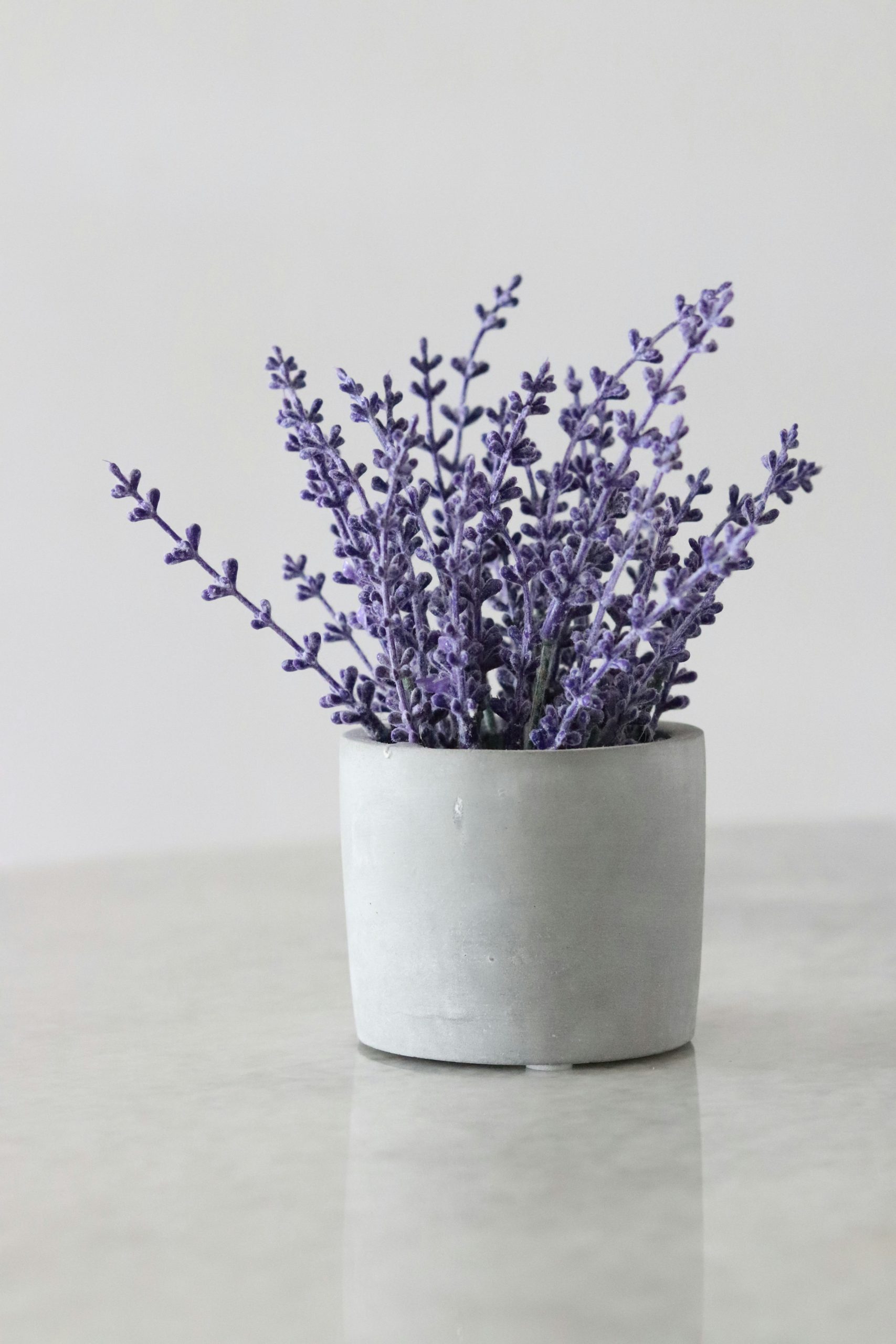
Lavender is one of the most popular plants in the UK, but growing it indoors is genuinely difficult — it is far better suited to outdoor conditions than to the warm, dim interiors of most UK homes. It needs maximum light, good air circulation, and cool winter temperatures. With these conditions met it can be kept successfully indoors, but it is honest to say that most indoor lavender declines within a few months without the right setup.
Light Requirements
Lavender needs maximum light — a south-facing windowsill with direct sun for at least six hours a day is the minimum for healthy indoor growth. In lower light it becomes leggy, fails to flower, and is susceptible to the fungal problems that kill most indoor lavender.
A grow light on a 16-hour cycle placed very close to the plant (10-15cm) can compensate for low natural light.
Soil & Growing Medium
Very free-draining, alkaline compost. Mix standard compost with added horticultural grit or perlite at a 50:50 ratio. Add a small amount of lime to maintain alkalinity — lavender comes from the Mediterranean and dislikes acidic, heavy soil. Terracotta pots are strongly recommended.
Watering
Allow the soil to dry out completely between waterings — lavender is drought-tolerant and will rot if the soil stays moist. In summer, every one to two weeks. In winter, barely at all — once every three to four weeks at most.
Good drainage is the single most important factor in keeping lavender alive indoors. A pot without drainage holes is a death sentence for lavender.
Temperature & Humidity
Lavender prefers cool to moderate temperatures — 10-21°C ideally. It needs a cool winter rest at 5-10°C to maintain vigour and flower well the following year. A warm, centrally heated room in winter is not suitable.
Good air circulation is important — still, humid air encourages the fungal diseases that kill lavender. A well-ventilated position is better than a stuffy corner.
Fertilising
Feed sparingly — once in spring with a balanced fertiliser. Lavender in nutrient-rich soil produces lots of leafy growth but fewer flowers. Its natural habitat is poor, stony soil.
Grow Light Compatibility
Grow lights are strongly recommended for indoor lavender in the UK. High-intensity full-spectrum LEDs placed close to the plant on a 14-16 hour cycle can make the difference between a plant that thrives and one that slowly declines.
Toxicity
Lavender is non-toxic to humans. It is mildly toxic to cats and dogs if ingested in large quantities, causing nausea and vomiting. Small amounts are unlikely to cause harm.
Pruning
Prune lightly after flowering, removing spent flower spikes and trimming the plant into shape. Do not cut back into old, woody, leafless stems — lavender cannot regenerate from old wood. Always prune into the green growth above the woody base.
Propagating
Semi-ripe cuttings taken in late summer root readily in free-draining propagating compost. Take 7-10cm cuttings from non-flowering shoots, strip the lower leaves, and insert into gritty compost. Roots develop in three to six weeks.
Indoor Setup Notes
Lavender is best treated as a temporary indoor plant — enjoy it during flowering (usually late spring to summer), then move it outside to a sunny spot where it can truly thrive. Kept outside in a pot, it overwinters reliably in most UK conditions and flowers prolifically each year. Keeping it permanently indoors is a constant battle against its natural requirements.
Potting & Repotting
Use terracotta pots with at least one large drainage hole. Repot every one to two years in spring using free-draining, gritty compost. Avoid glazed or plastic pots that retain moisture.
Common Pests & Problems
- Root rot and sudden death: Almost always caused by overwatering or poor drainage. By the time it is visible, the damage is usually irreversible.
- Grey mould (botrytis): Fuzzy grey growth on stems and leaves. Caused by high humidity and poor air circulation. Remove affected parts and improve ventilation.
- Leggy, non-flowering growth: Insufficient light. Move to maximum light or add a grow light.
- Woody, bare stems: Natural ageing. Prune annually into green growth to slow woodiness.
FAQ
Why does indoor lavender keep dying?
Usually one of three reasons: overwatering and poor drainage, insufficient light, or no winter rest period. Lavender is genuinely better suited to outdoor growing in the UK. Consider keeping it in a pot outside year-round and bringing it indoors only when in flower.
Can lavender survive winter indoors in the UK?
In a cool, bright spot (5-10°C, maximum light) with minimal watering, yes. In a warm centrally heated room, it struggles and often declines. An unheated conservatory or cool greenhouse is ideal.
Why is my lavender going grey and fluffy?
Grey mould (botrytis) from too much humidity and poor air circulation. Remove affected growth, improve ventilation, and reduce watering.
How do I get more flowers?
Maximum light, lean soil (minimal fertiliser), and a cool winter rest period. Plants that are overwatered or overfed produce leaves rather than flowers.