| At a Glance | |
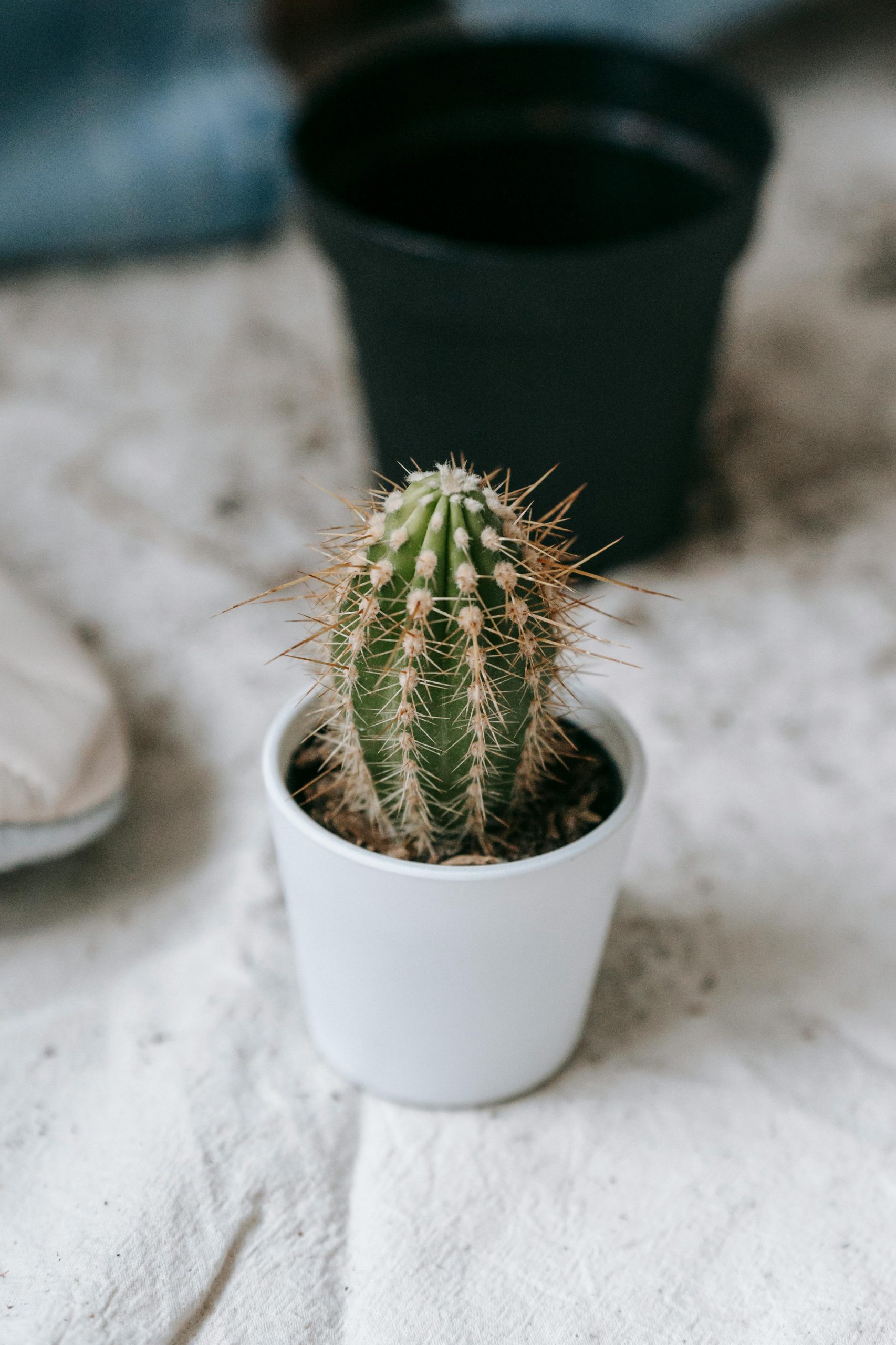
| Common Name | Cactus (many species — Mammillaria, Gymnocalycium, Echinopsis most common indoors) |
| Plant Type | Succulent — CAM photosynthesis |
| Light Required | Bright direct light; 4–6 hours minimum |
| Soil / Medium | Fast-draining cactus and succulent compost |
| Difficulty | Easy — the main risk is overwatering |
| Mature Size | 5cm to 1m+ depending on species |
| Toxicity | Spines cause physical injury; sap mildly irritating — not systemically toxic |
| Native Habitat | Americas (primarily); also Africa and Madagascar |
Cacti are the plant world’s most effective argument against the idea that you need a green thumb to grow something beautiful. Given enough light and the discipline not to overwater, they look after themselves for weeks at a time, develop remarkable sculptural forms over years, and in the right conditions produce flowers of striking colour and complexity. The challenge in the UK is almost always the same: not enough direct sunlight. Solve the light problem and cacti are among the most rewarding and lowest-maintenance plants you can own indoors.
Light Requirements
Cacti need bright, direct light — more than almost any other commonly kept houseplant. A south-facing windowsill that receives direct sun for four to six hours per day is the target. East- or west-facing windows can work for less demanding species, but growth is slower and flowering is less frequent. North-facing windows are not adequate for most cacti without supplemental lighting.
In the UK, winter light levels are a genuine constraint. From November to February, even a south-facing windowsill may not provide enough intensity for active growth. Most cacti respond correctly to this by entering a dormant rest period — which is actually beneficial, as it is often a trigger for spring flowering. Supplement with a high-output grow light if you want year-round growth.
Soil & Growing Medium
Use a specialist cactus and succulent compost. This is one area where the standard advice is unambiguous: ordinary houseplant compost retains far too much moisture and will cause root rot within weeks. Cactus compost is formulated to drain almost instantly and dry quickly, which replicates the arid, fast-draining soils of the native habitat.
Terracotta pots are strongly recommended. They allow moisture to evaporate through the pot walls as well as the surface, keeping the root zone drier than plastic or ceramic alternatives. Ensure the pot has a drainage hole — there is no viable workaround for a cactus in a pot without drainage.
Watering
The mantra for cactus watering is soak and dry. Water thoroughly until water drains from the bottom, then wait until the compost is completely dry before watering again. In summer, this typically means every two to three weeks. In winter, most cacti need almost no water — once a month is usually more than enough, and many experienced growers stop watering entirely from October to March.
The most reliable watering test: push a wooden skewer or finger to the bottom of the pot. If there is any moisture at all, wait. Cacti store substantial water in their tissues and can survive months without watering. Overwatering is the cause of the vast majority of cactus deaths in UK homes.
Temperature & Humidity
Most indoor cacti prefer 18-30°C in the growing season and benefit from a cooler winter rest of 8-15°C. The temperature drop in winter, combined with reduced watering, is one of the key triggers for spring flowering in many species. A cool windowsill or unheated room in winter — provided it stays above freezing — is ideal.
Low humidity suits cacti perfectly. They are adapted to arid conditions and actively dislike the damp air of bathrooms or kitchens. A dry, well-ventilated position near a sunny window is correct. Do not mist cacti under any circumstances.
Fertilising
Feed two or three times during the growing season (April to August) with a specialist cactus fertiliser, or a balanced liquid fertiliser diluted to quarter strength. Cacti are very light feeders and over-fertilising produces weak, soft, uncharacteristic growth. Skip feeding entirely in autumn and winter during the rest period.
Grow Light Compatibility
Cacti are excellent candidates for high-output grow lights in homes without a south-facing window. They need intensity — a modest grow light will not be adequate. Choose a full-spectrum LED with high PAR output and position it 15-25cm above the cactus, running for 12-14 hours per day in the growing season. Reduce to 8-10 hours in winter to replicate the shorter days of the rest period.
Toxicity
Cacti are not systemically toxic — the sap does not cause poisoning if ingested in small quantities. The real hazard is physical: spines range from mildly irritating to deeply penetrating depending on the species, and some (particularly glochids on Opuntia species) are extremely difficult to remove from skin. Handle with thick gloves or folded newspaper when repotting. Keep spine-bearing species away from areas where children play at floor level.
Pruning
Most cacti require no pruning. Remove dead or damaged sections with a clean, sharp knife, dusting the cut surface with cinnamon or powdered sulphur to discourage infection. If a cactus has produced an offset (a smaller plant growing from the base), this can be removed and propagated — see Propagating below.
Propagating
Most indoor cacti propagate readily from offsets (pups) that develop around the base of the mother plant. Allow the offset to grow until it is about a third the size of the parent, then separate with a clean knife, wearing gloves. Allow the cut surface to callous for 24-48 hours before placing on dry cactus compost. Do not water for a week. Roots develop within two to four weeks.
Stem cuttings work for columnar and segmented species. Take the cutting, allow to callous for several days (longer than other succulents, as the cut surface needs to dry thoroughly), then place on cactus compost. Patience is required — rooting can take four to eight weeks.
Indoor Setup Notes
A south-facing windowsill is the natural home for indoor cacti in a UK context. They work well on sunny kitchen windowsills, conservatory shelves, and anywhere that receives direct sunlight for a significant portion of the day. They are among the best plants for hot, sunny spots that would stress most other houseplants.
Grouping cacti together creates an appealing display and allows you to manage their care as a collection rather than individually. A dedicated cactus shelf near a south-facing window, with a grow light supplement in winter, is the setup most serious UK cactus growers use.
Potting & Repotting
Repot every two to three years in spring, or when the cactus has clearly outgrown its pot. Wear thick gloves or wrap the cactus in several layers of folded newspaper to handle it safely. Use fresh cactus compost and a terracotta pot only one size larger than the root ball.
After repotting, wait ten days to two weeks before watering. This allows any root damage to heal and reduces the chance of infection entering through the fresh cut surfaces.
Common Pests & Problems
- Root rot: By far the most common problem. Caused by overwatering or heavy compost. Remove from pot, trim all brown or mushy roots, dust with cinnamon, allow to dry for 48 hours, repot in fresh dry cactus compost.
- Etiolation (stretching): Long, thin, pale new growth reaching toward the light. Caused by insufficient light. Move to a brighter position — the stretched section will not revert, but new growth will be compact.
- No flowers: Usually caused by skipping the winter rest period. Provide cooler temperatures and minimal watering from October to March.
- Mealybugs: White cottony deposits at the base of spines. Treat carefully with isopropyl alcohol on a cotton swab.
- Scale insects: Brown bumps on the cactus body. Treat with isopropyl alcohol and neem oil.
- Corking: Brown, cork-like patches at the base of mature cacti. Normal ageing — not disease or rot.
FAQ
How often should I water my cactus in the UK?
Every two to three weeks in summer; once a month or not at all in winter. Always check that the compost is completely dry before watering. When in doubt, wait.
Why is my cactus turning yellow or mushy?
Root rot from overwatering. Remove from the pot immediately, trim all affected roots, allow to dry for 48 hours, and repot in fresh dry compost. This is recoverable if caught early.
Why won’t my cactus flower?
Most likely the winter rest period is being skipped. Move the cactus to a cooler spot (8-15°C) in winter with minimal watering and reduced light. After a proper rest, most flowering species will bloom in spring.
Can I keep a cactus in a north-facing room?
Long-term, no. Without adequate direct light, cacti etiolate, weaken, and become susceptible to rot. A high-output grow light is the practical solution for darker rooms.
Are cactus spines dangerous?
They cause physical injury ranging from minor irritation to deep punctures. Glochids from Opuntia species are particularly difficult to remove. Always handle with gloves or folded newspaper. Keep spine-bearing species out of reach of children.