| At a Glance | |
| Common Name | Parlour Palm, Neanthe Bella Palm |
| Plant Type | Tropical palm |
| Light Required | Bright indirect to low light |
| Soil / Medium | Well-draining houseplant compost |
| Difficulty | Easy |
| Mature Size | 90–120cm indoors |
| Toxicity | Non-toxic to cats, dogs, and humans |
| Native Habitat | Mexican and Guatemalan rainforests |
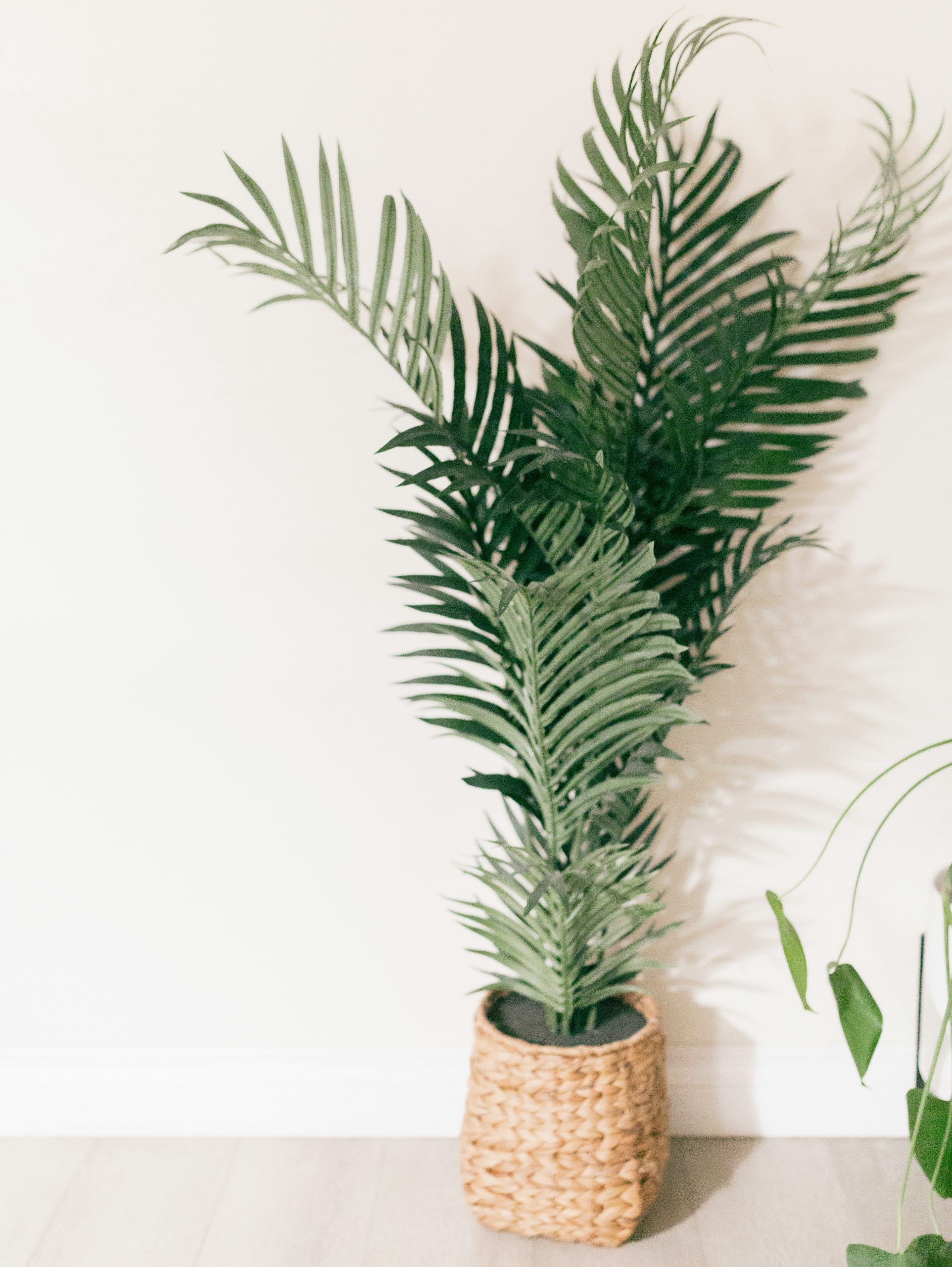
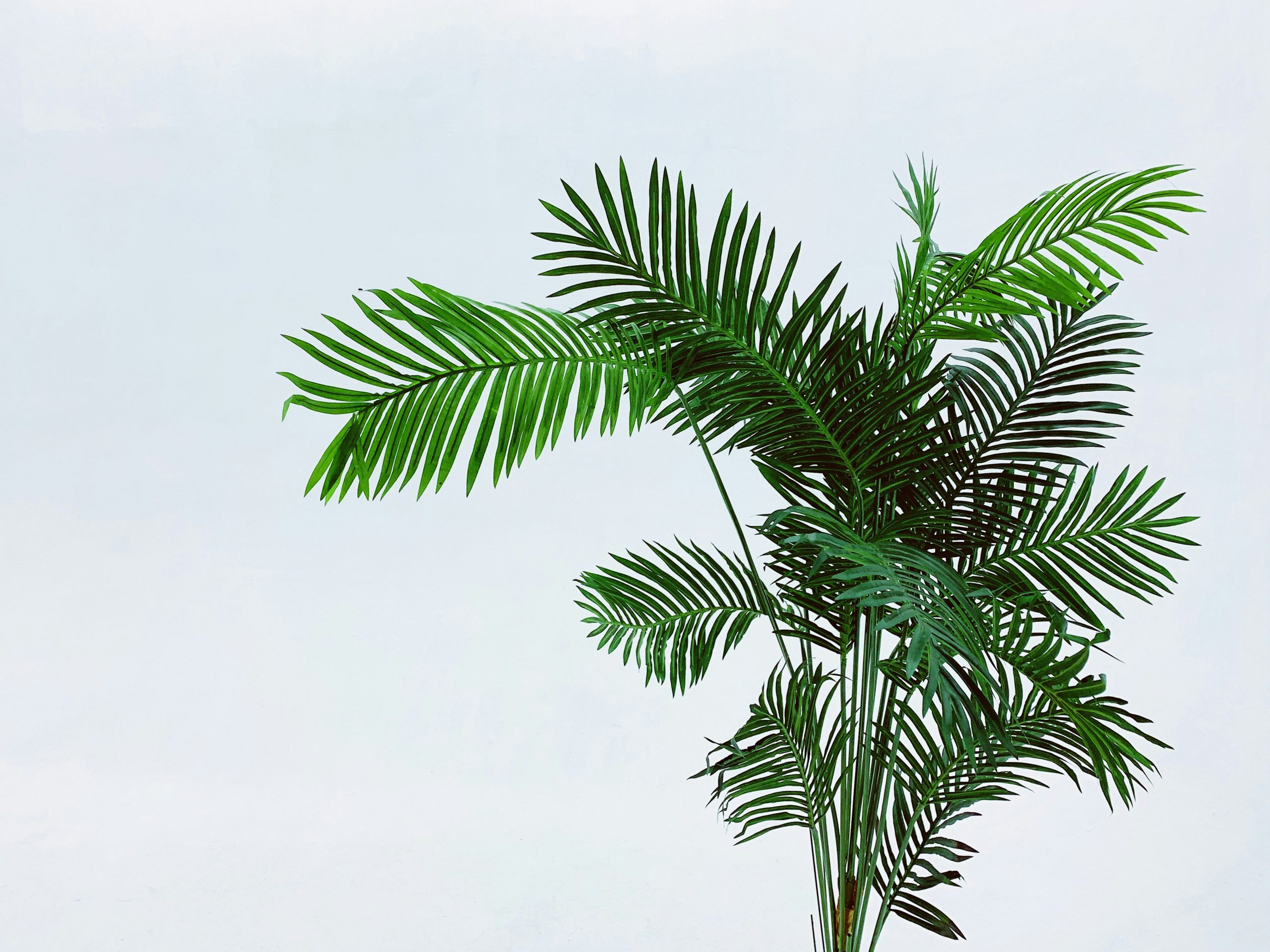
The parlour palm is the most shade-tolerant palm available for indoor growing and one of the most practical large houseplants for UK conditions. It grows slowly, stays relatively compact (most indoor specimens reach 90-120cm), tolerates low light, and handles the dry air of heated homes better than most tropical plants. It has been grown as a houseplant since the Victorian era for good reason.
Light Requirements
Parlour palms tolerate lower light conditions better than almost any other palm. They function in a north-facing room or a position several metres from a window, though growth is minimal in these conditions. They prefer bright indirect light and develop more vigorously with more light.
Avoid direct sun, which scorches the fronds.
Soil & Growing Medium
Well-draining but moisture-retentive houseplant compost. A mix of standard compost with added perlite works well. Good drainage is important — parlour palms dislike sitting in waterlogged soil but prefer more consistent moisture than desert palms.
Watering
Water when the top 2-3cm of soil has dried out. Keep consistently moist during the growing season and slightly drier in winter. Do not let the soil dry out completely — unlike succulents, parlour palms prefer more consistent moisture at the roots.
Use rainwater or filtered water where possible — fluoride in tap water contributes to the brown leaf tips common in palms.
Temperature & Humidity
Parlour palms prefer 16-24°C and tolerate down to about 10°C. They are more cold-tolerant than many tropical plants, making them practical for cool rooms and hallways.
They prefer moderate humidity but handle the low humidity of centrally heated homes reasonably well compared to most palms. Keeping away from radiators and occasional misting helps.
Fertilising
Feed once a month during the growing season (April to September) with a balanced liquid fertiliser. Palms are sensitive to fertiliser salt build-up — flush the soil with plain water periodically and avoid overfeeding.
Grow Light Compatibility
Parlour palms are among the best choices for grow-light setups in low-light offices and interior spaces. They require low-to-moderate light intensity and function well under a standard full-spectrum LED on a 10-12 hour cycle.
Toxicity
Parlour palms are non-toxic to cats, dogs, and humans. They are a safe choice for households with pets and children.
Pruning
Remove completely dead or brown fronds at the base. Do not remove fronds that are only partially brown — they are still photosynthesising. The plant grows from a single main stem (unlike clustering palms) and cannot regenerate if the growing tip is damaged.
Propagating
Parlour palms do not produce offsets and are grown from seed commercially. Propagation at home is not practical — seeds germinate slowly and seedlings grow very slowly. Buy new plants rather than attempting home propagation.
Indoor Setup Notes
Parlour palms are one of the few palms genuinely suited to full indoor growing conditions in the UK. They bring a tropical feel to a space without requiring the high light and humidity demands of most tropical plants. Grouping multiple stems in a single pot creates a fuller, more lush effect.
Potting & Repotting
Repot every two to three years in spring, going up one pot size. Parlour palms dislike root disturbance — handle the roots carefully and do not repot more frequently than necessary.
Common Pests & Problems
- Brown leaf tips: The most common issue — usually dry air, fluoride in tap water, or underwatering. Switch to rainwater, move away from radiators, and trim tips with scissors at an angle.
- Spider mites: Very common on palms in dry conditions. Fine webbing and stippled fronds. Treat with neem oil or insecticidal soap and increase humidity.
- Scale insects: Brown waxy bumps on fronds and stems. Scrape off manually and treat with neem oil.
FAQ
Is parlour palm the same as kentia palm?
They look similar but are different species. Parlour palm (Chamaedorea elegans) stays smaller and tolerates lower light. Kentia palm (Howea forsteriana) grows larger and is more cold-tolerant.
Why does my parlour palm have brown tips?
Brown tips on palms are very common indoors and usually caused by dry air or fluoride in tap water. Switch to rainwater, keep away from radiators, and trim the brown tips with clean scissors at an angle.
How fast does a parlour palm grow?
Slowly — perhaps 5-10cm per year in typical indoor conditions. This slow growth is actually an advantage for a houseplant.
Can I grow a parlour palm from seed?
Yes, but it is slow — germination takes two to six months and early growth is very slow. Buying an established plant is more practical for most growers.