| At a Glance | |
| Common Name | Cast Iron Plant, Bar Room Plant |
| Plant Type | Evergreen perennial |
| Light Required | Low to medium indirect light — one of the most shade-tolerant plants available |
| Soil / Medium | Standard well-draining houseplant potting mix |
| Difficulty | Very Easy — lives up to its name |
| Mature Size | 50-80cm tall; spreads slowly by rhizome |
| Toxicity | Non-toxic to cats, dogs, and humans |
| Native Habitat | China and Japan |
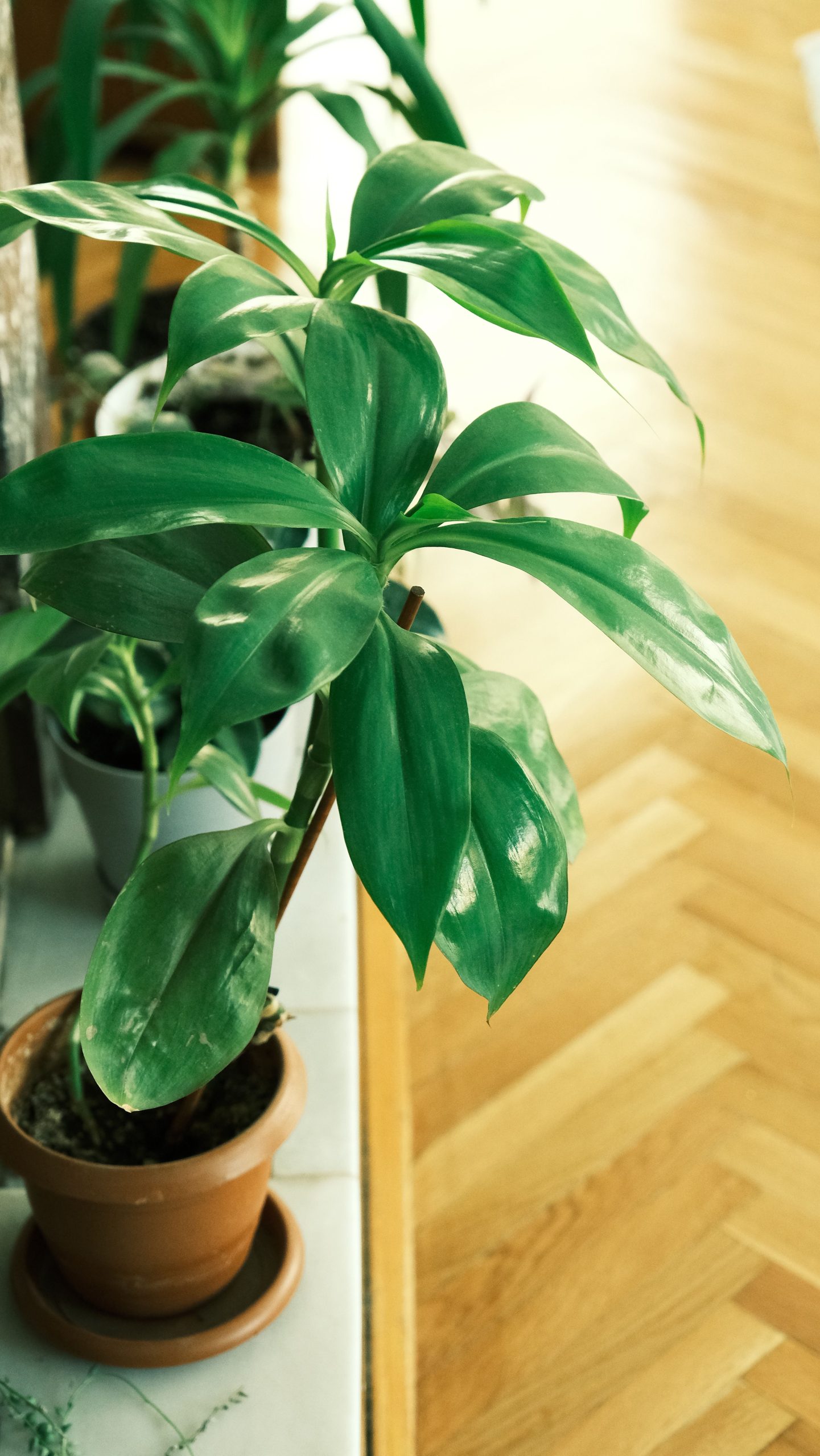
The cast iron plant earns its name honestly. It tolerates deep shade, temperature fluctuations, irregular watering, low humidity, dust, and neglect that would finish off almost every other houseplant on this list. Victorian Britons kept it in hallways, dining rooms, and the dim parlours of gas-lit houses, and it thrived without complaint. It grows slowly — a new leaf every few weeks at best — but each leaf is dark, glossy, and structural, and a mature plant with ten or fifteen leaves has a quiet, elegant presence that fast-growing plants rarely achieve. If you have a dark corner that has defeated everything else, this is the plant for it.
Light Requirements
The cast iron plant is the most shade-tolerant houseplant commonly available in the UK. It manages in genuinely dark corners — away from windows, in hallways lit only by artificial light, in rooms where other plants simply refuse to grow. Growth is slowest in these conditions but the plant survives and maintains its appearance without complaint.
In brighter indirect light, growth is noticeably faster and the glossy leaves develop more fully. Direct sun, however, burns the leaves — keep away from unfiltered south-facing windows in summer. This plant is one of very few where lower light is often the right recommendation rather than the compromise.
Soil & Growing Medium
Any standard, well-draining houseplant potting mix works well. The cast iron plant is not demanding about soil composition. Adding 15-20% perlite improves drainage and reduces root rot risk, but the plant tolerates a range of conditions that would stress other species. Avoid waterlogged, compacted mixes — these are the one soil condition that genuinely harms it.
Watering
Water when the top half of the compost is dry — roughly every two to three weeks in summer, once a month or less in winter. The cast iron plant is drought-tolerant and will survive missed waterings that would cause serious harm to most other houseplants. Overwatering is the only reliable way to cause problems, particularly in low-light conditions where the soil dries slowly.
In a dark corner, the compost can stay moist for weeks after watering. Always check the soil before watering rather than following a schedule. The plant is far more patient about waiting for water than it is about sitting in wet compost.
Temperature & Humidity
The cast iron plant tolerates a remarkable range of temperatures — from as low as 2°C up to 30°C. In a UK context, this means it manages equally well in a cool, unheated hallway in winter and a warm living room in summer. Temperature fluctuations that stress other plants do not significantly affect it.
Humidity is not a concern. It adapts to the low humidity of centrally heated homes without any supplemental moisture and does not need misting, pebble trays, or humidifiers.
Fertilising
Feed two or three times during the growing season (April, June, August) with a balanced liquid fertiliser at half strength. The cast iron plant is a slow, light feeder and does not benefit from or need frequent feeding. Over-fertilising causes the leaf edges to brown — a sign to reduce frequency. Do not feed in winter.
Grow Light Compatibility
The cast iron plant does not need a grow light — it is specifically selected for situations where grow lights are not being used. It will grow under a grow light if one is available, and will grow faster than in natural low light. But its primary value is as a plant that works where artificial lighting has not been introduced.
Toxicity
The cast iron plant is non-toxic to cats, dogs, and humans — one of its genuinely practical advantages alongside its shade tolerance. In a hallway or entry area where pets have access, the absence of toxicity removes one concern. The plant is safe to handle without gloves and presents no risk if a pet or child chews on the leaves.
Pruning
Remove individual leaves at the base when they yellow, brown at the tips, or become physically damaged. Cut cleanly at the base of the petiole. The plant grows slowly enough that leaf removal is an occasional task rather than a regular one. Do not remove healthy leaves — with a slow-growing plant, every leaf matters to the overall appearance.
Propagating
Cast iron plants propagate by division of the rhizome at repotting time. Use a sharp, clean knife to separate the rhizome into sections with two or three leaves each. Pot each section individually into standard houseplant compost, water sparingly, and keep in a warm, indirect light position. New growth is slow — expect to wait several months before the divided sections look like established plants.
The slow growth rate makes division a patience-testing exercise. The most practical approach is to allow the plant to spread naturally until it fills its pot, then divide at repotting time.
Indoor Setup Notes
Dark hallways, north-facing rooms, dimly lit corners of living rooms, and spaces under staircases are all natural homes for the cast iron plant in a UK context. It suits Victorian and period homes particularly well, matching both the aesthetic of older interiors and the challenging light conditions those spaces often present.
Despite its slow growth, a well-established cast iron plant has a distinctive, architectural quality. The upright, arching dark leaves create a clean silhouette that suits both traditional and contemporary interiors. It is, in the best sense, a plant that does not demand attention but rewards it.
Potting & Repotting
Repot every three to four years, or when the rhizomes are visibly crowding the pot surface. The cast iron plant is one of the slowest-growing common houseplants and rarely needs repotting frequently. Go up by one pot size only. Use standard, well-draining compost. The plant tolerates repotting at any time of year, though spring is preferable.
Common Pests & Problems
- Brown leaf tips: Over-fertilising, fluoride in tap water, or physical damage. Minor and cosmetic — trim if needed.
- Yellow leaves: Overwatering or too much direct sun. Check both before adjusting.
- Dusty, dull leaves: Normal accumulation. Wipe with a damp cloth monthly.
- Slow or no growth: Normal — this is simply a slow-growing plant. In a dark corner, one or two new leaves per year is typical.
- Spider mites: Uncommon on this species but possible in very dry, warm conditions. Treat with insecticidal soap.
- Root rot: Caused by overwatering, particularly in low-light conditions where soil dries slowly. Reduce watering frequency.
FAQ
Is cast iron plant really that hard to kill?
Yes. It is one of the genuinely most tolerant houseplants in cultivation. The main ways to harm it are overwatering, prolonged direct sun, and severe over-fertilising. Beyond those, it tolerates neglect, cold, warmth, dust, and dim light without complaint.
How fast does cast iron plant grow?
Slowly. One to three new leaves per growing season is typical indoors, faster in brighter conditions. This is not a plant to choose if you want rapid growth — it is the plant to choose if you want something that will look good and stay manageable for years without much effort.
Can I put it in a room with no windows?
It will survive under artificial lighting (standard room lighting, not grow lights) longer than almost any other houseplant. Long-term, some form of indirect natural light or a grow light is beneficial, but it is one of the most viable plants for genuinely dark indoor spaces.
Does cast iron plant flower?
Yes — small, purple, inconspicuous flowers appear at soil level in spring on mature plants. They are rarely noticed and not the reason to grow this plant, but they exist.