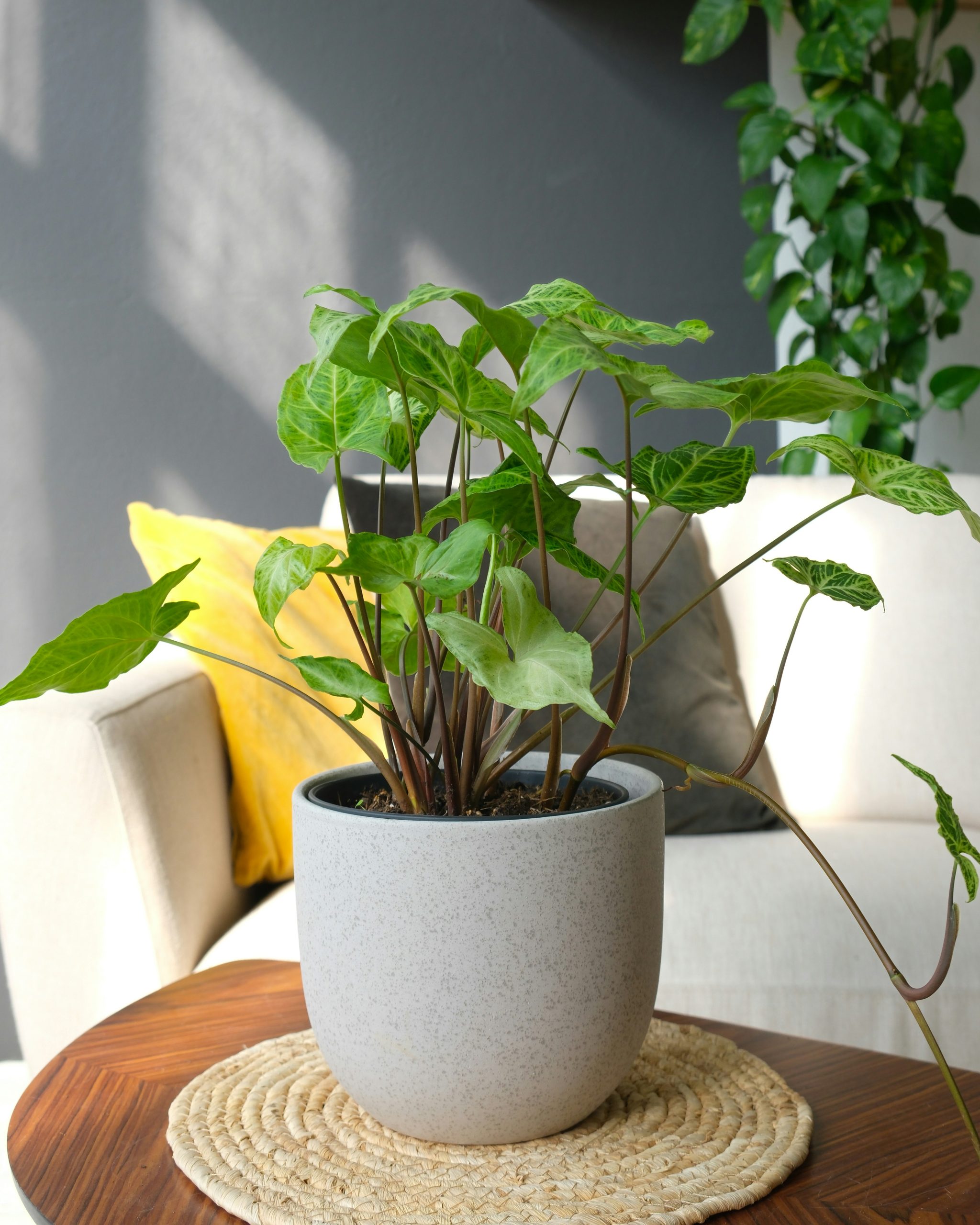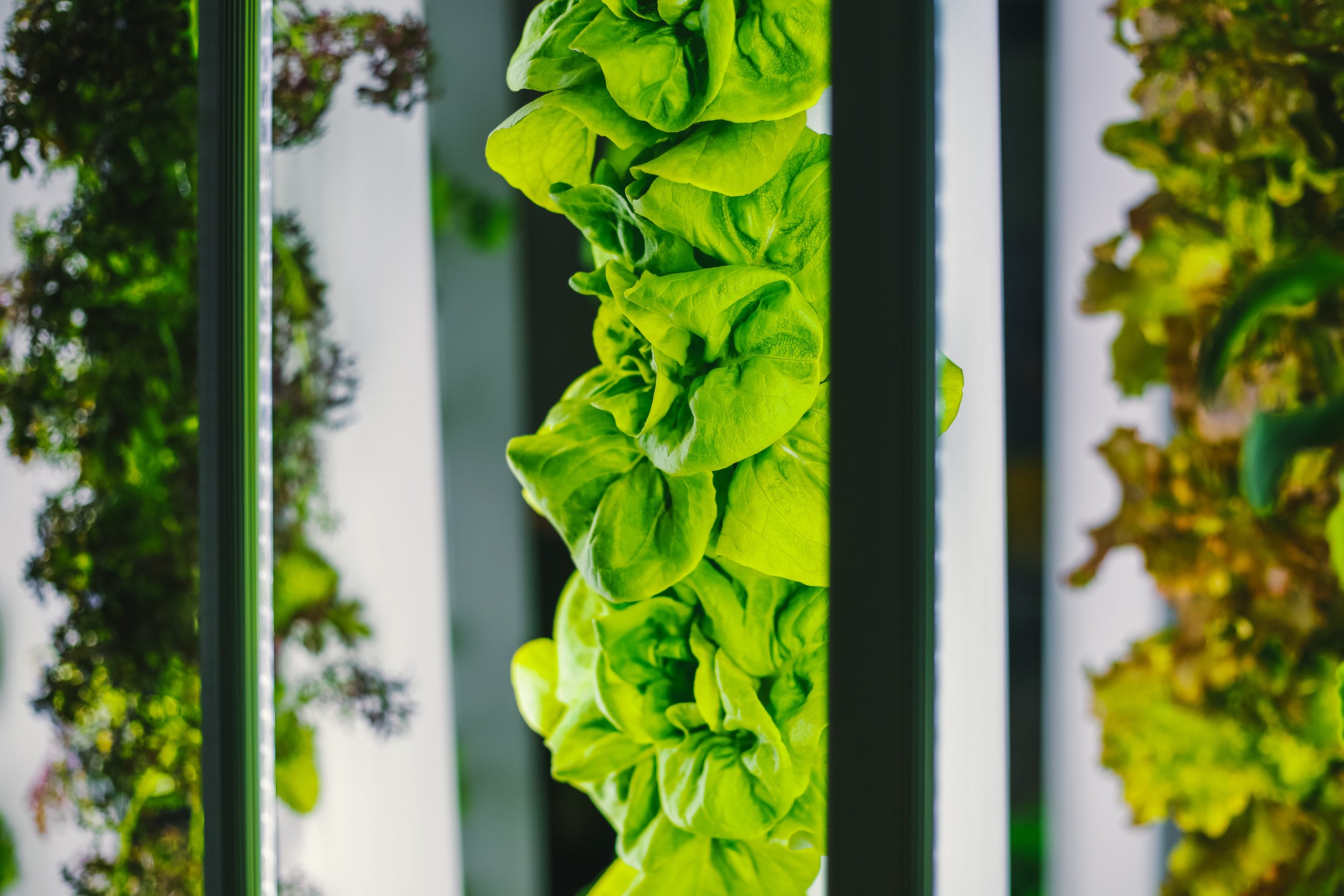
There’s a version of the future where your salad leaves grow on the wall of your flat, your herbs sit under a glow of purple LED light above the kitchen counter, and you haven’t bought a bag of wilted supermarket spinach in months. Vertical farming makes that version surprisingly close to real.
But before you dive in, here’s the thing most beginner guides won’t tell you: vertical farming isn’t magic. It’s a system — and like any system, it rewards the people who understand it.
This guide will give you that understanding, from the big picture right down to your first practical steps.
So What Actually Is Vertical Farming?
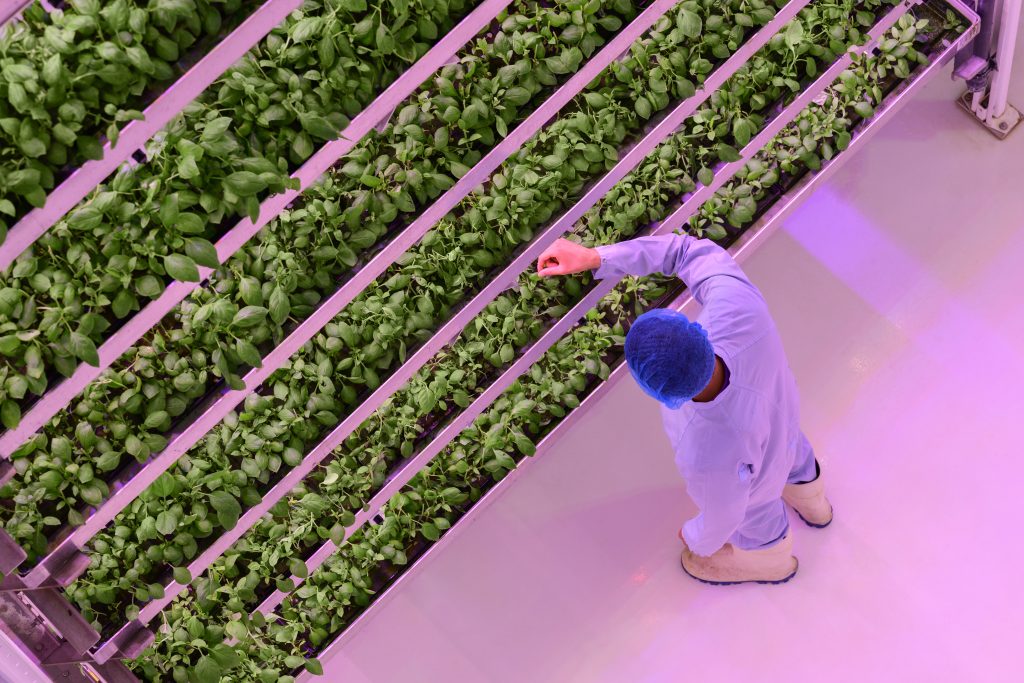
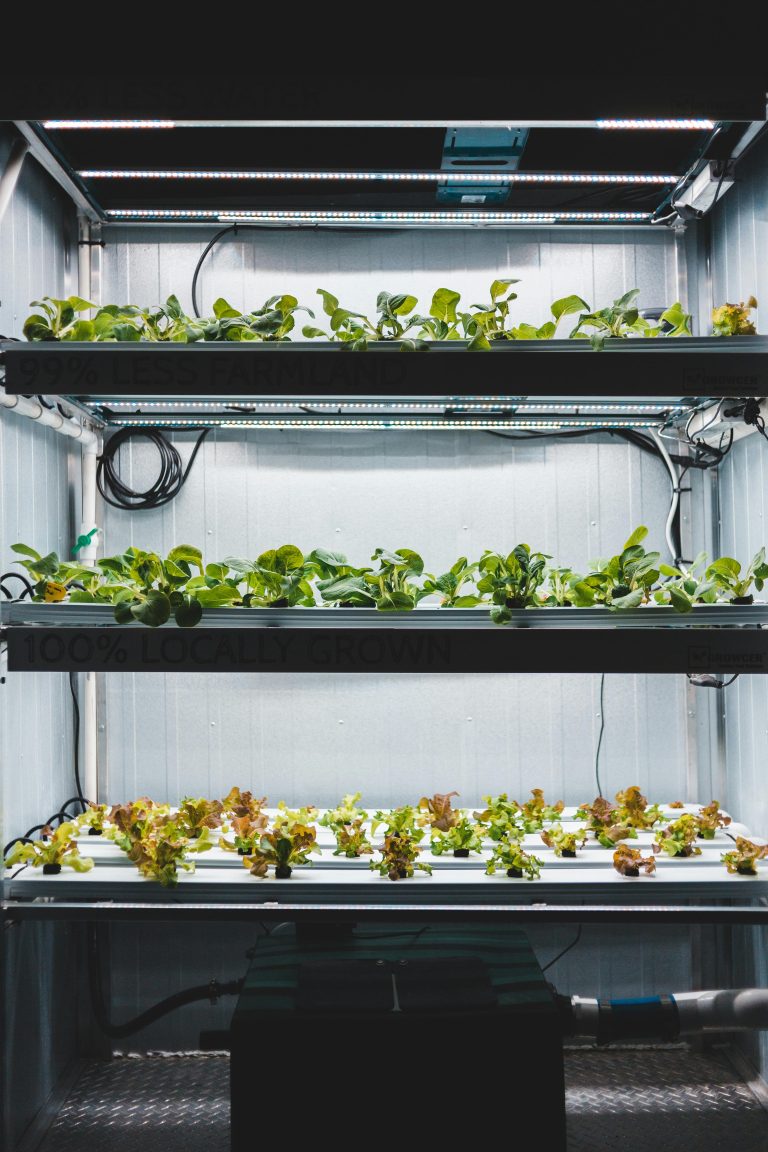
Vertical farming is exactly what it sounds like: growing crops upwards rather than outwards. Instead of spreading plants across fields or a greenhouse floor, you stack them in layers — on shelves, in towers, along walls — inside a controlled indoor environment.
Traditional farming depends on soil, sunshine, seasons, and a lot of space. Vertical farming swaps all of that for artificial light, soilless growing methods, and precise control over temperature, humidity, and nutrients. The plants don’t know they’re indoors. They just grow.
The concept has been around since the early 2000s, but it’s only in the last few years that the technology has become affordable enough for home growers. Commercial vertical farms now supply supermarkets across the UK. But the same principles work on a shelf in your
spare bedroom.

How Does It Work? The Three Growing Methods
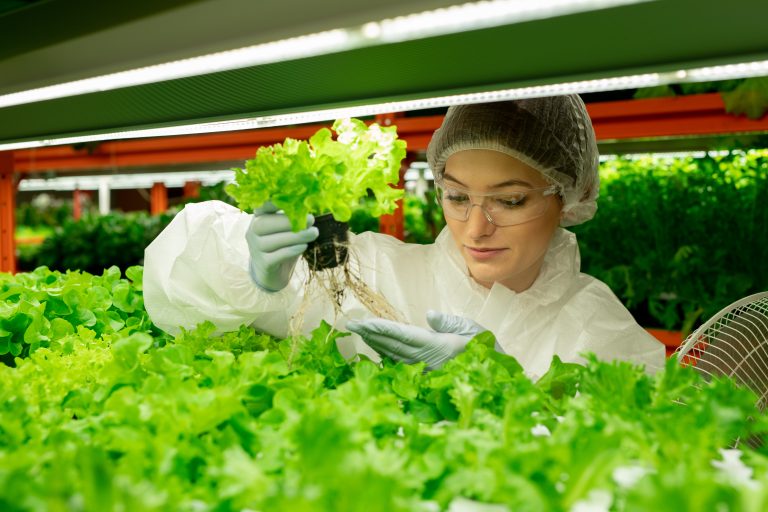
There’s no soil in vertical farming — which surprises people, because it feels like plants must need it. They don’t. They need water, nutrients, and somewhere to anchor their roots. Soil is just one way to provide those things. Vertical farming uses three soilless alternatives:
1. Hydroponics
The most common method for home growers. Plants sit in a nutrient-rich water solution, with their roots either submerged or in contact with a flowing water film. It’s reliable, welldocumented, and there are plenty of beginner friendly kits available in the UK.
Best for: lettuce, spinach, herbs, kale, strawberries.
2. Aeroponics
Here the roots hang in open air and are misted with nutrient solution every few minutes. It’s incredibly efficient with water — using up to 95% less than soil farming — and plants can grow faster because their roots get more oxygen. The trade-off is that the misting system needs to work reliably. If the pump fails for a few hours, the roots dry out quickly.
Best for: more advanced growers who want speed and efficiency
3. Aquaponics
The most fascinating method, and the trickiest. Fish are kept in a tank, and their waste — broken down by bacteria — feeds the plants. The plants clean the water, which goes back to the fish. It’s a closed-loop ecosystem you’re running in your home.
Best for: patient growers who want a genuinely sustainable setup and don’t mind the
learning curve.
TIP: If you’re just starting out, go hydroponic. It’s the most forgiving method, has the
most available support online, and gives you results fast enough to stay motivated.
Why Are People So Excited About It?
The numbers behind vertical farming are hard to ignore. A single vertical farm can produce 10 to 20 times the yield per acre compared to an open field. Some commercial operations claim up to 350 times. The global vertical farming market was valued at $6.2 billion in 2025 and is expected to nearly double by 2029.
But for home growers, the appeal is more personal than that:
- Year-round growing. No seasons, no waiting. Lettuce in January? Done.
- No pesticides. A sealed indoor environment naturally keeps pests out.
- Dramatically less water. Most home systems use 70-90% less water than soil
growing. - Fresh food in minutes, not days. Harvest your lunch from three feet away.
- It works in a flat. No garden needed. No allotment waiting list.
For the UK specifically, there’s something else worth noting: our climate. We get around 1,400 hours of sunshine a year, compared to 2,600 in Southern Spain. That makes indoor growing under artificial light a genuinely practical alternative for anyone who wants to grow their own food — not just a novelty.
What Can You Actually Grow?
This is where some vertical farming content oversells things. Yes, technically you can grow almost anything indoors. But not everything is worth growing indoors.
The best crops for beginners are fast-growing, compact, and high-value at the supermarket — meaning you’ll notice the savings quickly:
- Lettuce and salad leaves — ready in as little as 30 days from seed
- Basil, mint, coriander, and other herbs — grow continuously if harvested correctly
- Spinach and kale — high yield, loves indoor conditions
- Microgreens — the fastest return of all; some varieties ready in 7-10 days
- Cherry tomatoes — more challenging but very doable under the right grow light
- Strawberries — possible and satisfying, though slower
What to avoid until you’re more experienced: large fruiting plants (courgettes, peppers, aubergines), root vegetables, and anything that needs pollination by insects. They can be done — they’re just not beginner territory.
TIP: Start with basil or lettuce. Both are near-foolproof in a hydroponic setup, grow
quickly enough to keep you engaged, and are expensive enough in the shops that you’ll
feel the win immediately.
Can You Do It at Home? (Yes — Here’s What You Need)
Home vertical farming sits on a spectrum. At one end: a simple herb planter with a built-in water reservoir, sitting on your windowsill. At the other: a purpose-built tower system with automated lighting timers, pH monitoring, and multiple growing levels. Most home growers start somewhere in the middle.
Here’s what a realistic starter setup looks like:
- A hydroponic tower or shelf system — entry-level options start from around £50-£150 in the UK
- LED grow lights — full-spectrum LEDs designed for plant growth; budget around £30-£80 for a beginner setup
- A nutrient solution — specialist hydroponic nutrients, available online or at garden centres; a starter bottle costs around £10-£15
- A timer for the lights — most plants need 14-16 hours of light per day; a simple plug timer does the job
- A pH testing kit — keeping the water pH between 5.5 and 6.5 is essential; strips or a digital meter both work
Pre-made kits like the Miracle-Gro AeroGarden are popular for first-timers because everything is calibrated for you. For those who prefer to build their own, PVC pipe tower systems are a well-documented DIY route — Instructables has solid plans.
The Honest Bit: What Vertical Farming Won’t Fix
Every beginner guide should include this section, and most don’t.
Vertical farming uses significantly less water than traditional agriculture — but it uses electricity instead. Grow lights run for 14-16 hours a day. If your energy tariff is high, that’s a real ongoing cost to factor in. LED lights have brought this down considerably, but it’s not zero.
It also takes time to dial in. Your first nutrient mix might be slightly off. The pH might drift. A pump might clog. These aren’t disasters — they’re learning curves. But anyone who tells you it’s completely effortless isn’t being straight with you.
The good news: once your system is dialled in, maintenance drops to 15-20 minutes a day. Check the water level, check the pH, harvest what’s ready. That’s it.
The mindset shift that makes everything easier: stop thinking of it as gardening and start thinking of it as running a small system. Systems can be optimised. Systems get easier over time.
Getting Started: Your First Steps
- Choose your method. Hydroponics for beginners — full stop.
- Pick your first crop. Lettuce or basil. Fast results, high forgiveness.
- Start small. A single tower or a compact AeroGarden-style unit. Learn before you scale.
- Get your lighting right. 14-16 hours of full-spectrum LED light per day. Use a timer so you don’t have to think about it.
- Check pH weekly. This is the single most common thing beginners neglect, and the single most common reason plants underperform.
- Keep a simple log. Note your nutrient concentration, pH, and anything unusual. When something goes wrong (and eventually something will), this log is how you fix it fast.
TIP: Your setup doesn’t need to be perfect before you start. A £60 hydroponic tower, a £40 grow light, and a packet of lettuce seeds will teach you more in a month than three months of research. Get something growing.
Frequently Asked Questions
Is vertical farming expensive to set up?
Entry-level home setups cost £100-£200 all in. Commercial operations are a different matter — industrial vertical farms can cost millions — but home growing is genuinely accessible. The ongoing cost is mainly electricity for the grow lights and nutrient solution top-ups.
Do I need outdoor space?
No. That’s the whole point. A spare corner, a kitchen shelf, or a section of a utility room all work. You need electricity and a water source within reach — that’s it.
How much can I realistically grow at home?
A single tower with 20 growing sites can produce enough salad leaves for a family of four, continuously, if managed well. Herbs will grow faster than you can use them once established. It won’t replace your whole food shop, but it will make a noticeable dent in your fresh herb and salad bill.
Is hydroponic food as nutritious as soil-grown food?
Research suggests hydroponic produce is nutritionally comparable to soil-grown food, and in some cases higher in certain vitamins because growth conditions are optimised. The bigger win is freshness — food harvested minutes before eating retains far more nutrients than produce that’s spent days in transit and cold storage.
What’s the easiest vertical farming system for a complete beginner?
A self-contained kit like the Miracle-Gro AeroGarden or a similar plug-and-grow unit. Everything is pre-calibrated, you just add seeds and nutrient solution. Once you understand how it works, you can step up to a larger DIY system.
About the author
Nathaniel is the founder of Grow Metropolis. His degree in Sustainability Sciences and 10+ years in professional kitchens and hospitality give him a unique perspective on food systems and where our ingredients come from. He writes about indoor growing and smart-garden hardware as practical solutions tested in real kitchens – backed by research, reader conversations, and years of understanding how chefs and home cooks actually work.