| At a Glance | |
| Common Name | Venus Flytrap |
| Plant Type | Carnivorous perennial |
| Light Required | Direct sun — 4+ hours daily |
| Soil / Medium | Peat moss (or sphagnum) and perlite, no fertiliser |
| Difficulty | Specialist |
| Mature Size | 10–15cm |
| Toxicity | Non-toxic to cats, dogs, and humans |
| Native Habitat | Coastal bogs of North and South Carolina, USA |
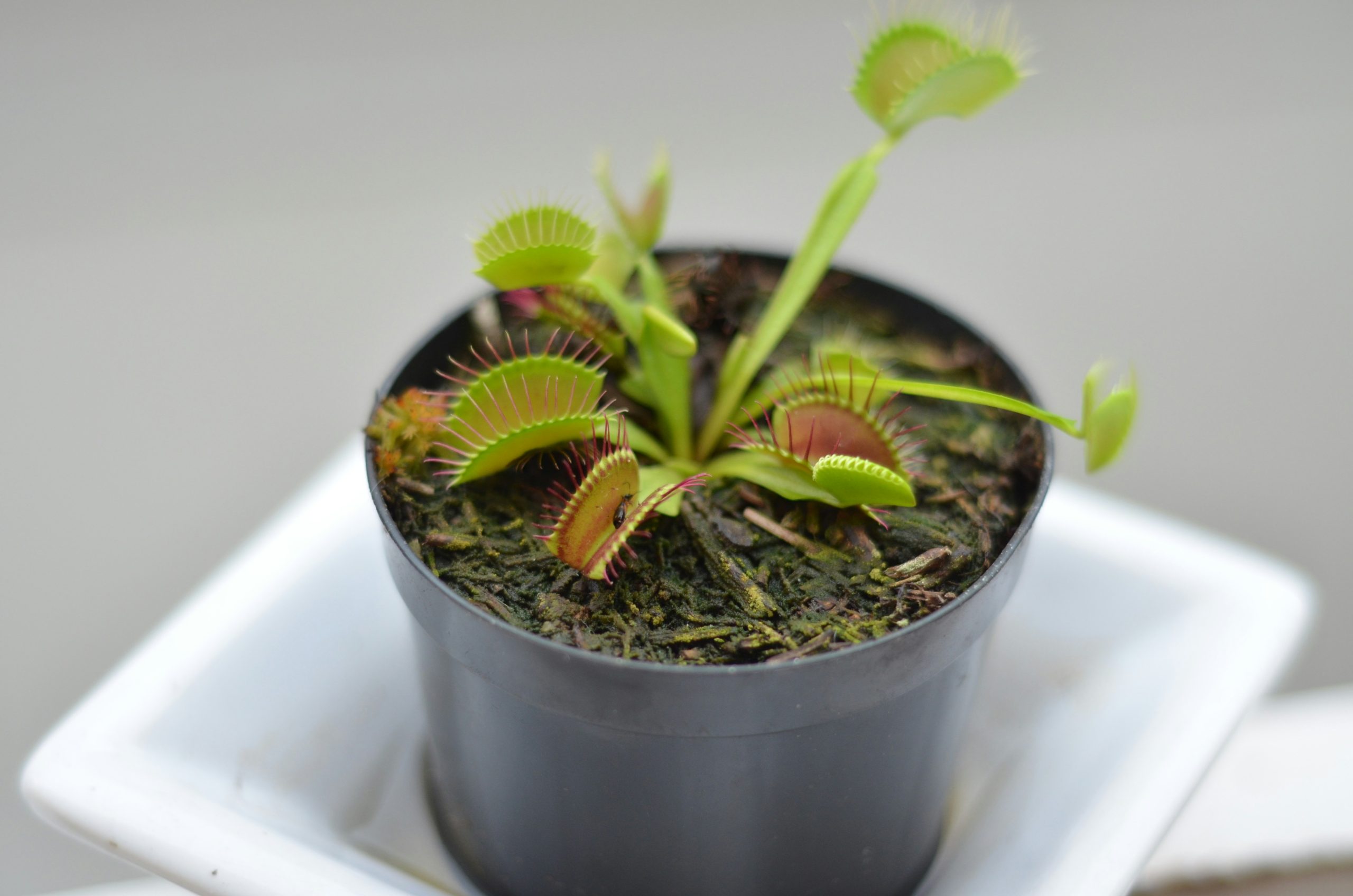
The Venus flytrap is the most famous carnivorous plant in the world, native to a small area of coastal bogs in North and South Carolina. It is fascinating to observe and technically straightforward to keep alive — but only if you match its very specific growing conditions, which are almost the opposite of what most houseplants need. Most Venus flytraps sold in garden centres are kept incorrectly and decline within a few months.
Light Requirements
Venus flytraps need as much direct sun as possible — a minimum of four hours of direct sunlight daily. A south-facing windowsill is ideal. In lower light, the traps become small and green, the plant weakens, and it eventually dies. A grow light is a practical solution for UK winters when natural light is insufficient.
This is one of the most light-demanding houseplants — do not attempt to grow it in a shaded position.
Soil & Growing Medium
Venus flytraps require nutrient-poor, acidic soil — the opposite of most houseplants. Use a mix of peat moss (or peat-free sphagnum moss) and perlite in roughly equal parts. Never use standard compost, which contains fertiliser and will kill the plant. Never add fertiliser to the soil. The nutrient-poor conditions are not optional — this plant evolved to get its nutrients from insects, not soil.
Watering
Water with rainwater, distilled water, or reverse osmosis water only. Tap water contains minerals that accumulate in the soil and kill the plant within weeks. The traditional method is the tray method: stand the pot in a tray of a few centimetres of rainwater at all times during the growing season. The soil should remain consistently moist.
In winter, allow the tray to dry out and water less frequently — the plant needs a winter dormancy period.
Temperature & Humidity
Venus flytraps are temperate plants, not tropical ones. They prefer 21-35°C in summer and need a cold dormancy period in winter at 0-10°C for two to three months. Without this dormancy the plant weakens and dies within a year or two.
A cool greenhouse, unheated conservatory, or a sheltered outdoor spot in winter provides the correct conditions. They handle moderate humidity well.
Fertilising
Never fertilise a Venus flytrap through the soil. If you want to supplement feeding, place a small live or recently killed insect in a trap every few weeks during the growing season. One to two feeds per month is sufficient. Do not feed dried or dead insects, which can cause the trap to rot.
Grow Light Compatibility
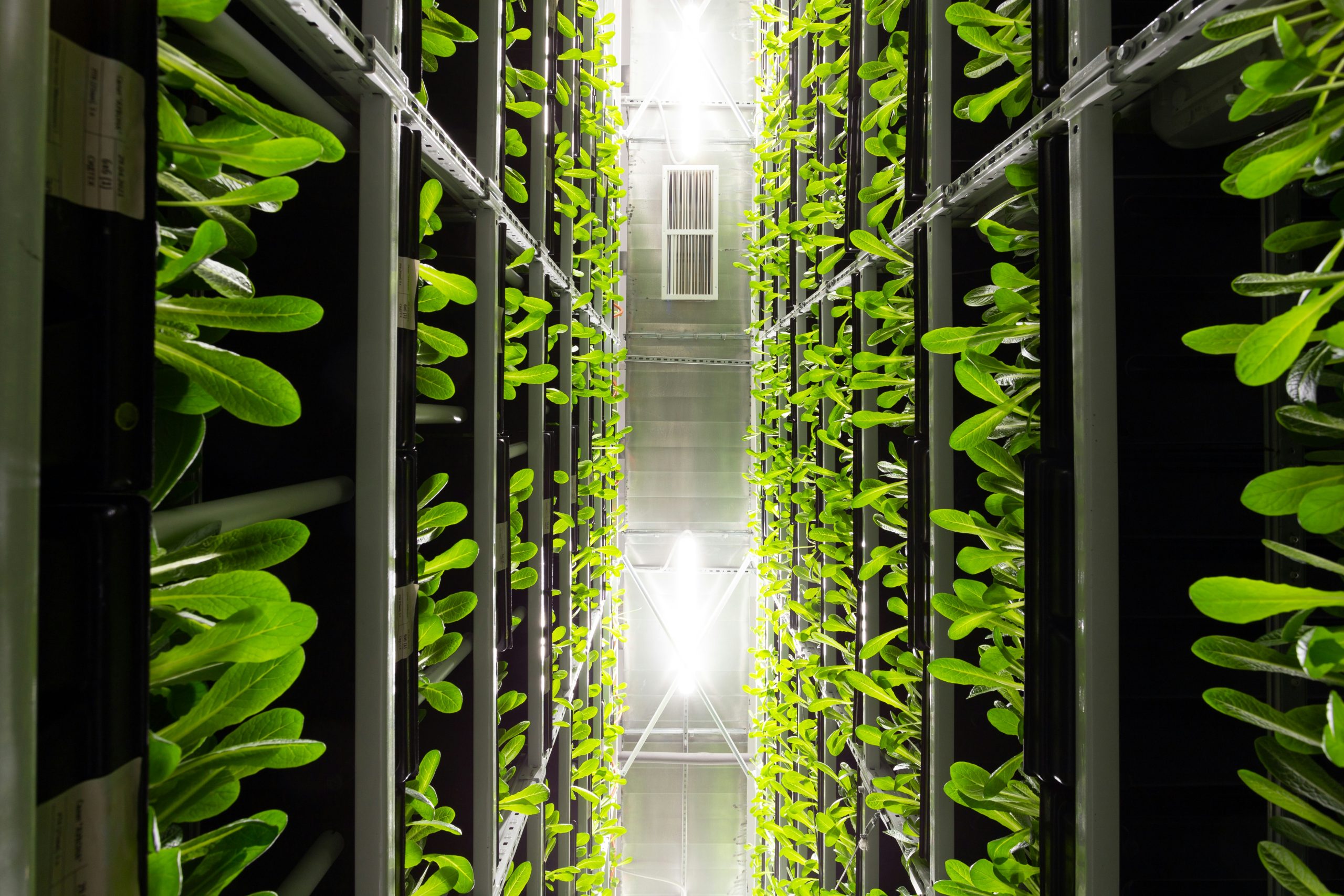
Grow lights are very useful for Venus flytraps in UK winters. They need high light intensity — a strong full-spectrum LED placed close (15-20cm) on a 14-16 hour cycle. Without supplemental lighting in winter, most UK-grown plants become weak.
Toxicity
Venus flytraps are non-toxic to cats, dogs, and humans.
Pruning
Remove dead traps and blackened leaves at the base with clean scissors. Some blackening of individual traps after feeding is normal. Do not trigger the traps repeatedly for amusement — each trap can only close a limited number of times before it dies.
Propagating
Venus flytraps can be propagated by leaf pullings (similar to succulent leaf cuttings) or by division of the rhizome at repotting time. Leaf pullings are slow but work — pull a leaf away from the base with the white base section attached and lay it on the surface of moist sphagnum moss.
Indoor Setup Notes
Venus flytraps are best kept on a very sunny windowsill or in a purpose-built terrarium with grow lights. They are not suitable as a general houseplant for most rooms. The dormancy requirement means they cannot be treated as a year-round indoor plant in a warm heated home — they need the cold winter rest to survive long term.
Potting & Repotting
Repot every one to two years in spring, using fresh peat-and-perlite mix. The rhizome should be just below the soil surface. Rinse off old compost carefully — do not add it to the new pot.
Common Pests & Problems
- Blackening traps: Normal after feeding or at the end of the trap’s life. Not a disease — remove dead traps cleanly.
- Plant weakening over winter: Lack of cold dormancy. Move to a cool location (0-10°C) in November.
- Brown, mushy plant: Root rot from tap water or poor drainage. The minerals in tap water are the most common cause of death. Use only rainwater.
- Aphids: Treat carefully with diluted insecticidal soap — avoid getting any into the traps.
FAQ
Why is my Venus flytrap dying?
The most common causes are: tap water (use rainwater only), insufficient light (needs direct sun), no winter dormancy, and regular potting compost (use peat and perlite only with no fertiliser).
Do I need to feed my Venus flytrap?
If it is catching its own insects, no. If grown indoors away from insects, feeding one trap every two to three weeks with a small live or recently dead insect helps. Do not feed dead dried insects from a packet.
Should I let my Venus flytrap go dormant?
Yes — dormancy is essential for long-term health. Without it the plant exhausts itself and dies within one to two years. Move it to a cold location (0-10°C) from November to February.
Why do the traps go black after closing?
Each trap can only close and digest a limited number of times before it dies. Blackening after feeding is normal. Do not trigger traps repeatedly for entertainment — it shortens their life.