| At a Glance | |
| Common Name | Boston Fern, Sword Fern, Ladder Fern |
| Plant Type | Tropical evergreen fern |
| Light Required | Bright to medium indirect light; no direct sun |
| Soil / Medium | Rich, moisture-retentive but well-draining potting mix |
| Difficulty | Intermediate — humidity is the key challenge |
| Mature Size | 60cm–1m spread in a hanging basket |
| Toxicity | Non-toxic to cats, dogs, and humans |
| Native Habitat | Tropical regions of Americas, Africa, Polynesia |
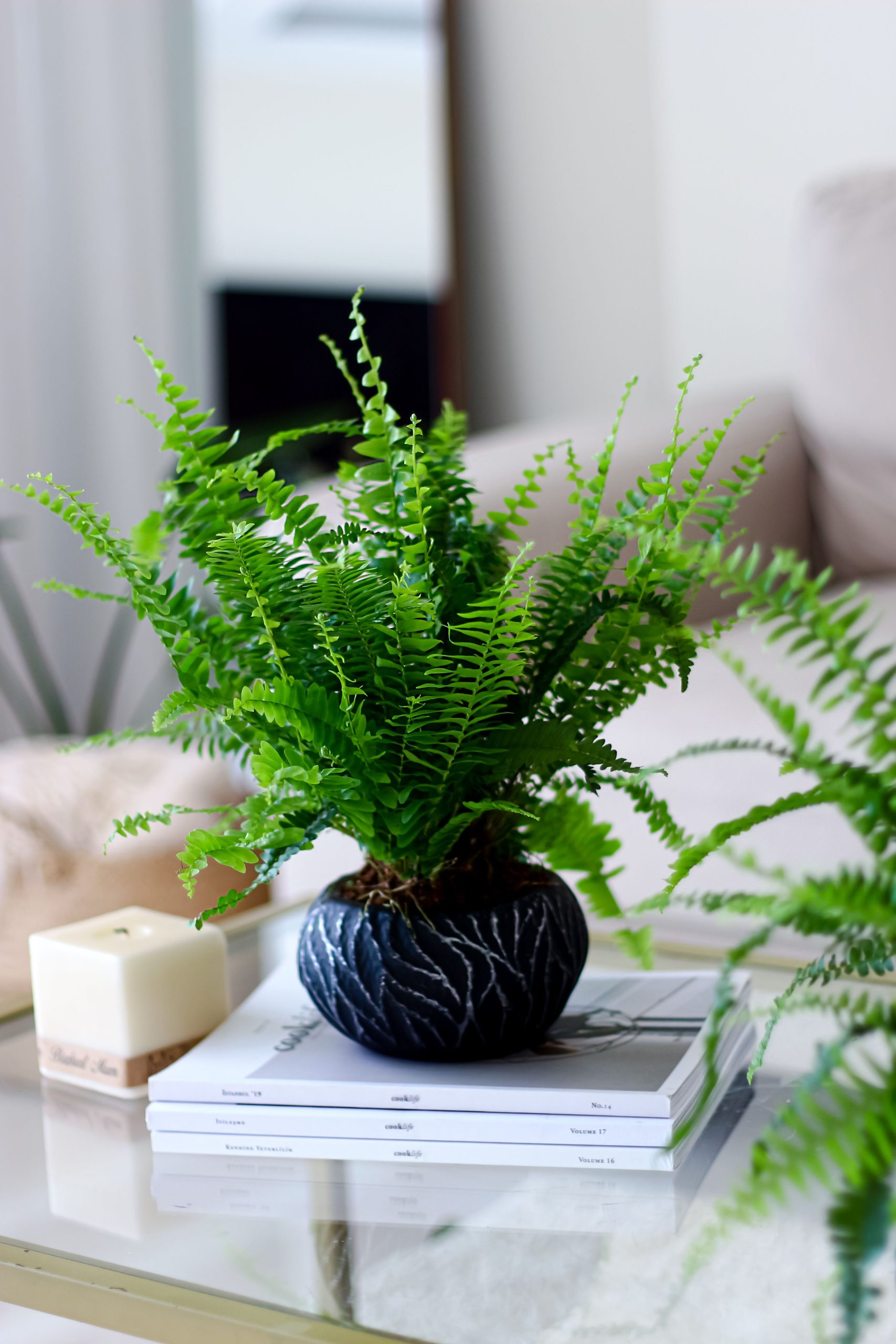
Boston ferns have graced British homes since the Victorian era, when their lush, arching fronds were a mark of a well-kept parlour. They remain one of the most popular hanging basket plants for indoors, and the cascading fronds of a well-grown specimen are genuinely impressive. The trade-off is that they are one of the more demanding houseplants in terms of humidity — in the dry air of a centrally heated UK home in winter, they shed fronds and turn brown at the tips faster than almost anything else. In the right conditions, though, they are fast-growing, lush, and long-lived.
Light Requirements
Boston ferns prefer bright to medium indirect light. They grow on forest floors in the wild, which means they are adapted to filtered light rather than direct sun — direct sunlight bleaches and scorches the delicate fronds quickly. An east-facing window, or a position a metre or two back from a south-facing window, is ideal.
They tolerate lower light levels than many houseplants, but in genuinely dim conditions growth slows and fronds become thin and sparse. If the fronds are losing their density or turning pale, improve the light before adjusting anything else.
Soil & Growing Medium
Use a rich, moisture-retentive potting mix. Unlike succulents and many tropicals, Boston ferns prefer soil that stays consistently slightly moist rather than drying out between waterings. A standard houseplant compost with a small amount of added perlite (10-15%) for drainage works well. Avoid composts that dry out too quickly or compact into a water-repellent block.
Adding a small amount of peat-free coir to the mix helps retain moisture without causing waterlogging. Ferns in general respond well to organic, humus-rich growing media.
Watering
Keep the soil consistently lightly moist. Water when the surface of the compost begins to feel dry — do not wait for the top few centimetres to dry out as you would for a monstera or pothos. Boston ferns cannot tolerate drought the way succulents or ZZ plants can; wilted, dry fronds do not recover their shape the way a pothos does.
Use room-temperature water. Cold water from the tap can shock the roots and cause frond yellowing. In hard-water areas of the UK, switching to rainwater or filtered water reduces mineral build-up on the fronds and in the soil over time.
Temperature & Humidity
Boston ferns prefer 16-24°C. They dislike cold draughts and temperatures below 10°C. Keep away from draughty windows in winter and avoid positioning them near air conditioning vents or radiators — radiators dry the air immediately around the plant, which is the opposite of what a fern needs.
Humidity is the critical requirement. Boston ferns need 50% humidity or above to thrive, and ideally 60-70%. In a centrally heated UK home in winter, ambient humidity often falls to 30-40%. A humidifier is the most effective solution. Regular misting of the fronds helps but does not substitute for genuine ambient humidity. Grouping ferns together and placing on pebble trays with water both contribute.
Fertilising
Feed monthly from March to September with a balanced liquid fertiliser at half strength. Ferns are moderate feeders and benefit from regular light feeding more than infrequent concentrated doses. Do not feed in winter. Over-fertilising causes frond tip burn — if this occurs, flush the soil with plain water and reduce feeding frequency.
Grow Light Compatibility
Boston ferns adapt well to grow lights at medium intensity. They do not require high light levels, and a modest full-spectrum LED at 10-12 hours per day maintains healthy frond production. The humidity requirement does not change with a grow light — that still needs to be managed independently. A grow light combined with a humidifier nearby makes a bathroom or kitchen an effective fern environment even without a bright window.
Toxicity
Boston ferns are non-toxic to cats, dogs, and humans. They are one of the genuinely pet-safe hanging plants, which makes them a practical choice for homes where trailing plants might be accessible to animals. No precautions needed beyond keeping the potting mix out of reach of animals who dig.
Pruning
Remove yellowed or browned fronds at the base to maintain the plant’s appearance and encourage new growth from the centre. Leggy, bare fronds that have lost most of their leaflets can be cut back to the base. Boston ferns regenerate readily from the crown and can be cut back quite hard in spring if the plant has become sparse or untidy — new fronds will emerge within a few weeks in good conditions.
Propagating
Boston ferns propagate by division. At repotting time, separate the root ball into sections with several fronds and healthy roots each. Pot sections individually into moist, rich compost and maintain high humidity around the new plants while they establish. New frond production should begin within two to four weeks in spring.
Boston ferns also produce runners (stolons) that trail from the main plant. These can be pinned down into a pot of compost alongside the mother plant until they root, then severed — the same method used for spider plant pups.
Indoor Setup Notes
Hanging baskets are the natural home for Boston ferns — the cascading fronds need space to arch downward and display their full length. A position near an east-facing window, away from radiators and draughts, with a humidifier or pebble tray nearby, is the ideal setup in a UK home.
Bathrooms with good natural light are one of the best positions available. The consistent humidity from showering keeps the fronds lush with minimal extra effort. Many UK gardeners find that a fern they struggled with in the living room thrives without intervention in a bright bathroom.
Potting & Repotting
Repot every one to two years in spring, or when roots are emerging from the drainage holes or circling the surface. Go up by one pot size. Use fresh, rich compost at each repotting — ferns benefit from the nutrient availability of new mix.
Boston ferns in hanging baskets dry out faster than those in pots on a surface, so check moisture levels more frequently and water accordingly. Lightweight plastic hanging pots help — ceramic or terracotta hanging baskets are very heavy when wet and strain the fixings.
Common Pests & Problems
- Frond yellowing and dropping: Usually low humidity or underwatering. Improve humidity first, then review watering frequency.
- Brown, crispy frond tips: Low humidity, proximity to a radiator, or underwatering. Move away from heat sources and improve ambient humidity.
- Sparse, thin fronds: Insufficient light or the plant is root-bound. Improve light first; repot if roots are crowded.
- Frond shedding in winter: Very common response to low indoor humidity and reduced light. Improve conditions and the plant usually recovers in spring.
- Scale insects: Brown bumps on frond undersides. Treat carefully with neem oil — avoid alcohol-based treatments on ferns as these can damage the fronds.
- Fungus gnats: Consistently moist soil encourages them. Allow the surface to dry slightly between waterings; treat with a neem drench.
FAQ
Why is my Boston fern dropping fronds?
Low humidity is the most common cause in UK homes, particularly in winter when central heating is running. Move the plant away from radiators, increase ambient humidity with a humidifier or pebble tray, and the plant usually stabilises.
Can Boston ferns go outside in the UK?
Yes, in a sheltered, shaded position in summer. They thrive outdoors in a humid, dappled shade environment. Bring them back inside before the first autumn frosts — they are not frost hardy.
How do I revive a dried-out Boston fern?
If fronds are brown and brittle throughout, cut the entire plant back to just above the soil. Keep the soil lightly moist and humidity high. New fronds should emerge from the crown within four to six weeks in spring and summer. This hard reset works better than trying to nurse damaged fronds back to health.
Is Boston fern safe for cats?
Yes — Boston ferns are non-toxic to cats and dogs. They are one of the better choices for hanging plants in pet-friendly homes.