An honest five-tier guide to which plants thrive, which underwhelm, and which the marketing oversells.
By Nathaniel · Last updated May 2026 · 7 min read
Most smart-garden marketing photos show ripe cherry tomatoes and lush peppers next to the £200 box. The horticultural reality is narrower — and once you know which plants belong in the box and which don’t, the buying decision gets a lot easier.
The five tiers, at a glance
Tier | Plants | Time to harvest | Honest verdict |
1 — Winners | Basil, mint, parsley, chives, lettuce, rocket | 3–6 weeks | Buy the system for these. Everything else is a bonus. |
2 — Strong | Kale, pak choi, spinach, oregano, thyme, dill | 4–8 weeks | Reliable, with a few quirks worth knowing. |
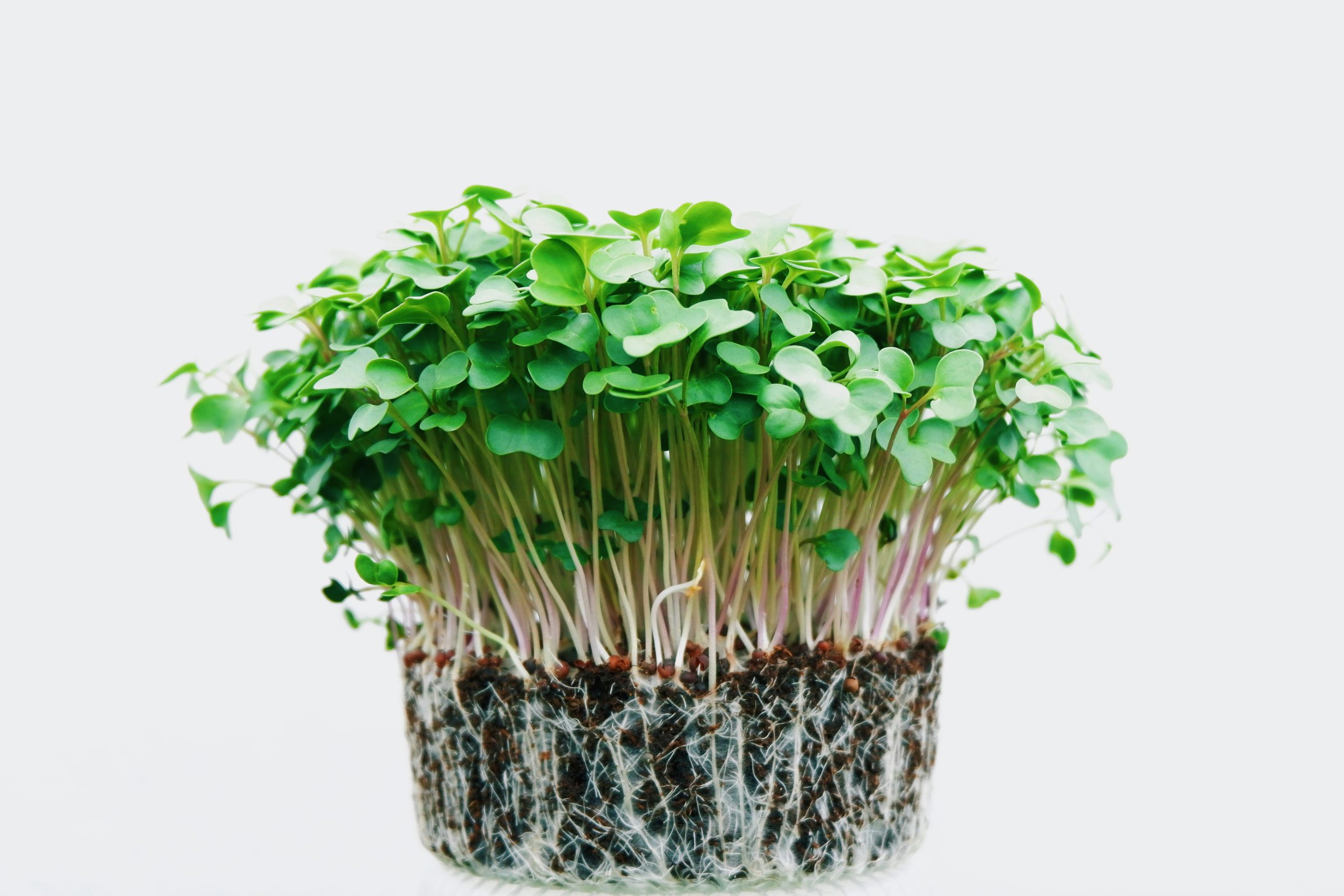
3 — Niche wins | Microgreens, edible flowers (nasturtium, viola) | 1–4 weeks | Works, but a windowsill tray often does just as well. |
4 — Over promised | Cherry tomatoes, mini peppers, strawberries | 3–5 months | Possible, but yields can be a fraction of what the marketing suggests. |
5 — Don’t bother | Carrots, potatoes, garlic, courgettes, full-size tomatoes, rosemary | — | Wrong plant for the format. Grow outdoors or in a pot. |
The honest comparison: smart gardens are excellent at fast-growing leafy crops. They’re fine at slow-growing herbs. They’re a hard sell on fruiting plants. And they’re the wrong tool entirely for anything that needs depth or scale.
Tier 1 — The unambiguous winners
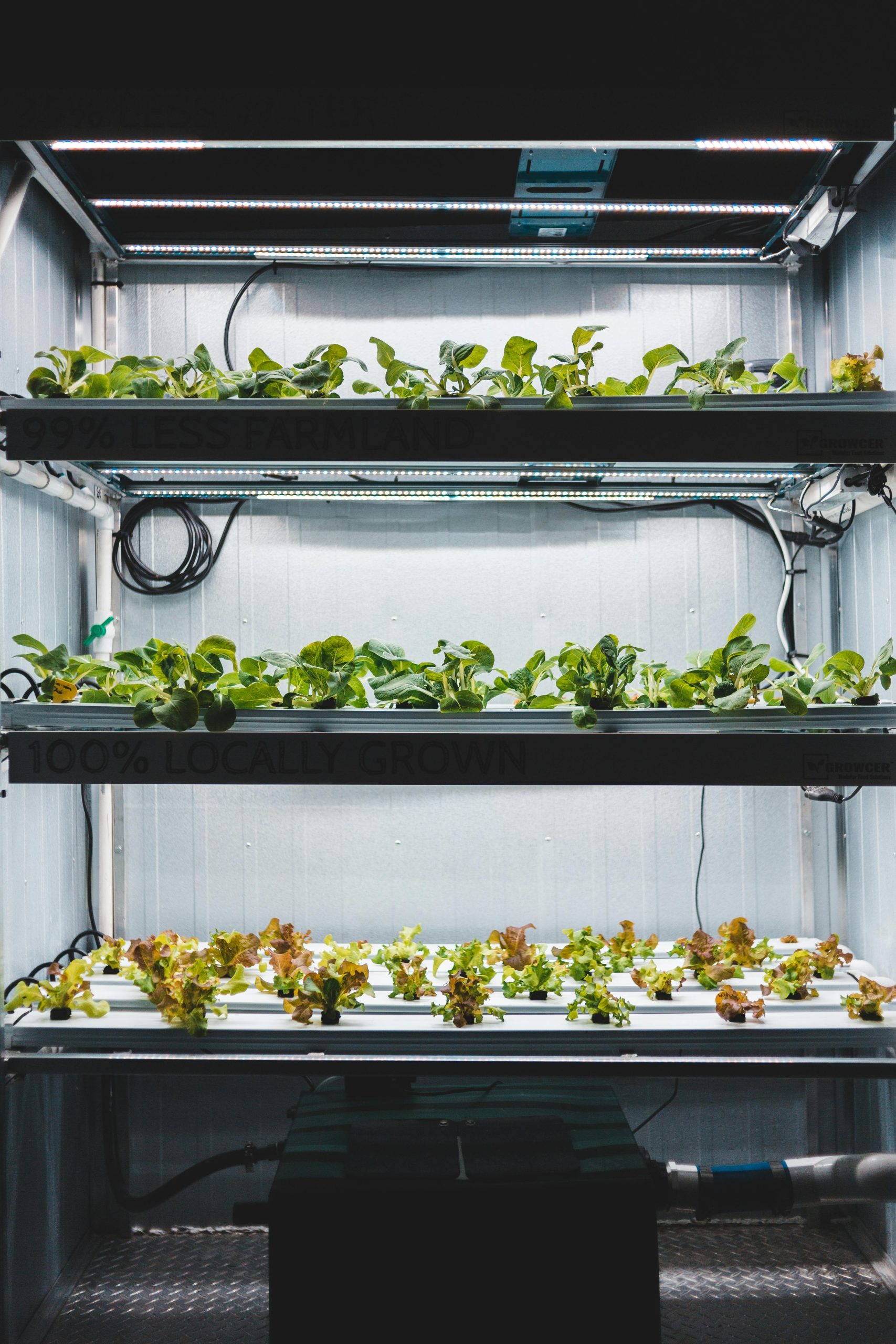
Herbs and fast leafy greens are what these systems were designed for. The LED spectrum, the watering rhythm, and the plant spacing all suit them. If you buy a smart garden and grow only what’s in this tier, you will not be disappointed.
- Basil— the star performer. Easy to care for, fast to harvest, high yield. Genovese and Greek varieties both work; bush-form varieties stay compact in a single pod.
- Mint— vigorous to the point of bullying its neighbours; one pod is plenty for a 9-pod system. Spearmint and peppermint both reliable.
- Parsley— slower to start than basil but steady; produces for months once established. Flat-leaf (Italian) outperforms curly in most systems.
- Chives— excellent. Cuts back willingly and regrows quickly.
- Lettuce— butterhead, romaine, and oak-leaf varieties all produce well. Cut-and-come-again gives weeks of harvest from a single pod.
- Rocket / arugula— fast, peppery, and unfussy. Among the best yield-per-pod in the category.
Tier 2 — Strong performers, with quirks
These plants work well in smart gardens but have one or two specific behaviours worth knowing before you commit a pod to them.
- Kale— reliable, but big. A mature kale plant can outgrow a single pod and shade its neighbours. Best in dedicated 1-pod-only sections of a larger system, or pick “baby kale” varieties.
- Pak choi— grows fast, harvests in 4–5 weeks. Watch for bolting if the system temperature rises above 24 °C.
- Spinach— productive but short-lived. Bolts within a couple of months under continuous light; treat as a one-cycle crop rather than continuous harvest.
- Oregano, thyme— slower than basil but reliable once established. Prefer them in seed-agnostic systems where you can choose drier substrate.
- Dill— grows fast and tall; needs the light arm raised. Marketing photos often crop dill out for a reason.
- Coriander (cilantro)— handle with care. The constant LED light pushes coriander to bolt to seed faster than expected. Successional planting every six weeks keeps a supply, or accept that you’ll get four good harvests and then seed.
Tier 3 — Niche wins
These work, but the smart garden is rarely the most efficient way to grow them.
- Microgreens— any system grows microgreens well. The honest answer is that a £15 windowsill tray and a packet of pea or radish seeds can do a similar job for less. Smart gardens for leafy greens are overkill for microgreens alone.
- Edible flowers— nasturtium, calendula, viola, and borage are all viable. Slow to start, decorative when they get there, and a useful way to fill out a half-empty 9-pod system without committing to more herbs.
Tier 4 — Where the marketing oversells
This is the tier that drives the most disappointment. Fruiting plants need more light, more time, more nutrients, and more vertical space than most smart gardens can give them. They’ll grow — but yields are a fraction of what an outdoor pot would produce, and the marketing photos are almost always staged at peak fruiting after months of careful management.
- Cherry tomatoes— the most-attempted Tier 4 crop. A pod-system cherry tomato realistically produces 200–400g of fruit over a 3–4 month cycle, versus a UK outdoor cherry-tomato plant producing 1–3kg in a season. Only viable in systems with adjustable light height (60cm+ clearance).
- Mini peppers— possible in larger systems, slower than tomatoes, lower yields. Patio-pepper varieties are the only realistic option.
- Strawberries— alpine and everbearing varieties can fruit indoors, but yields per pod are modest. Worth a try only if the system is large and you genuinely enjoy the experiment.
Tier 5 — Don’t even try
Some plants are physically incompatible with a smart garden, no matter what the brochure suggests. Save the pod slot.
- Root vegetables— carrots, beetroot, radishes, potatoes. The pods don’t have the depth, and even seed-agnostic systems rarely give roots somewhere to go.
- Large fruiting plants— full-size tomatoes, courgettes, squash, aubergines. They will outgrow any consumer smart garden inside a month.
- Bulbs and corms— onions, garlic, leeks. Long growth cycles plus root-depth needs put them outside the format entirely.
- Rosemary— the surprise on this list. Rosemary is a Mediterranean evergreen that prefers dry, well-drained substrate and dislikes the constant moisture of a hydroponic pod. Almost every long-term reviewer reports failures.
How to read your system’s spec sheet for realistic expectations
Three numbers on the manufacturer’s spec sheet tell you what the system can actually grow. Knowing them prevents most Tier-4 disappointments.
- Maximum light-arm height— anything below 35cm and you’re ruling out anything that grows tall, which means tomatoes, peppers, and dill in practice. Systems with 50–60cm+ clearance are the only ones that can support fruiting crops.
- PAR rating or peak lux at canopy— photosynthetically active radiation, the light frequencies plants actually use. Leafy greens thrive at 200–400 PPFD; fruiting plants need 500–800. Manufacturers who don’t publish PAR figures are usually around 200 — fine for herbs, marginal for tomatoes.
- Reservoir capacity and refill cycle— bigger reservoir means you can leave the system for two or three weeks without intervention. Smaller systems need topping up weekly, which is fine if you’re home and routine, painful if you travel.
How to think about it before you plant
Two simple rules of thumb. They prevent most disappointments.
First, match the plant to the format. Smart gardens are leaf machines. Anything you eat for its leaves — herbs, salad, brassica greens — is at home in one. Anything you eat for its fruit, root, or bulb is fighting the format from day one. Tier 1 and Tier 2 should fill at least three-quarters of your pods, with Tier 3 or one ambitious Tier 4 experiment in the spare slot.
Second, best practice is to learn the system on the easy crops before reaching for the hard ones. Grow a full cycle of basil and lettuce before you commit a pod to cherry tomatoes. The lessons you learn — how often to top up, when to prune, how to spot a fouled wick — are the same ones the fruiting crops will demand twice as much of.
How to properly care for your plants once they’re in the system is a separate question — and one we’re writing about next.
About the author
Nathaniel is the founder of Grow Metropolis. His degree in Sustainability Sciences and 10+ years in professional kitchens and hospitality give him a unique perspective on food systems and where our ingredients come from. He writes about indoor growing and smart-garden hardware as practical solutions tested in real kitchens – backed by research, reader conversations, and years of understanding how chefs and home cooks actually work.