| At a Glance | |
| Common Name | Peperomia, Radiator Plant |
| Plant Type | Tropical perennial |
| Light Required | Bright indirect to moderate light |
| Soil / Medium | Well-draining houseplant compost with perlite |
| Difficulty | Easy |
| Mature Size | 15–40cm depending on variety |
| Toxicity | Non-toxic to cats, dogs, and humans |
| Native Habitat | Tropical and subtropical regions worldwide |
Peperomias are a large genus of over a thousand species, ranging from tiny succulent varieties to larger, textured-leaf types. They are one of the most practical groups of houseplants for UK homes: they tolerate low light better than most, have modest watering needs, stay compact, and are slow to outgrow their space. The trade-off is that they rarely produce dramatic flowers or rapid growth — they are reliable rather than spectacular.
Light Requirements
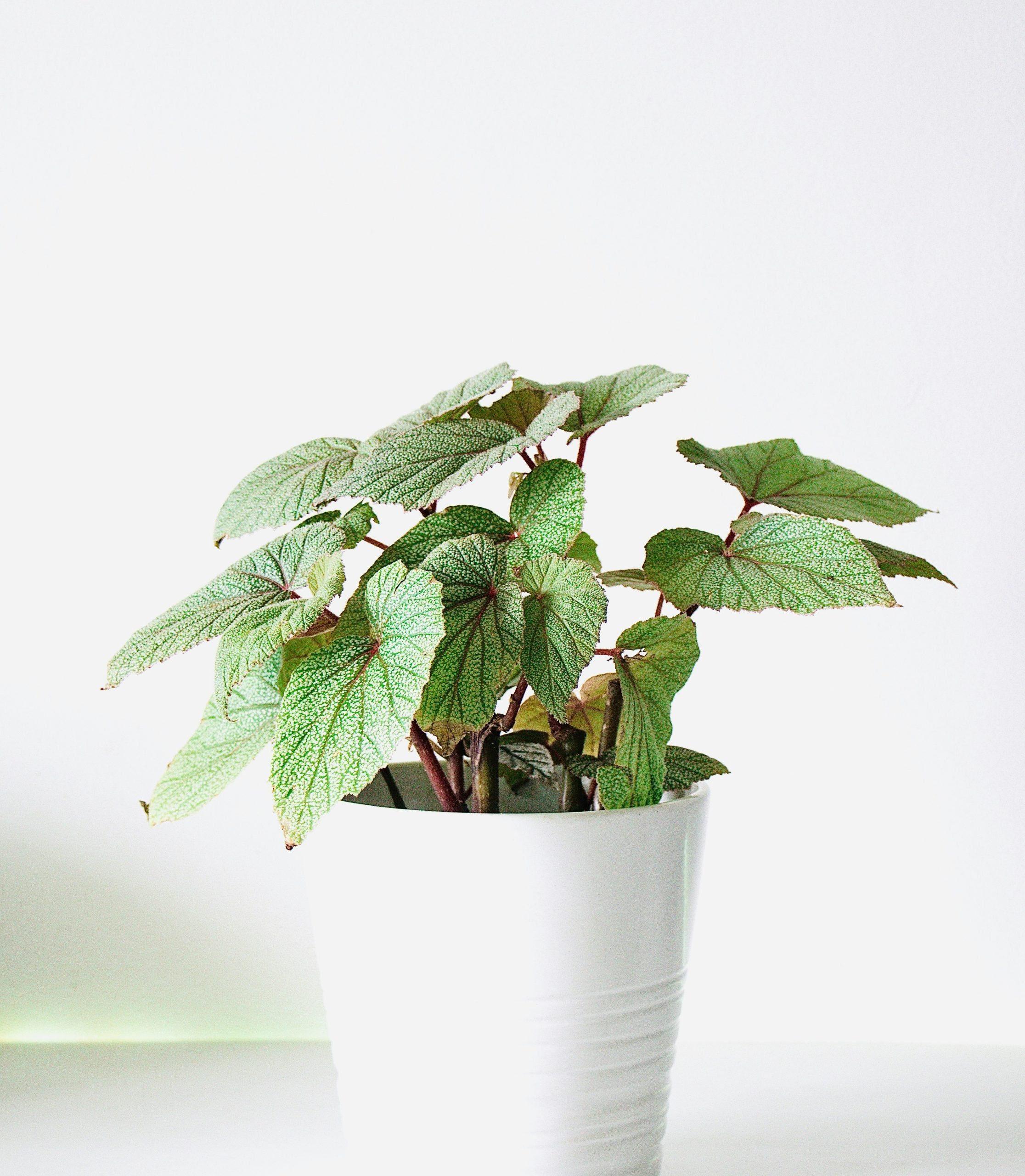
Most peperomias prefer bright indirect light but tolerate moderate and even lower light conditions. The succulent varieties (such as Peperomia argyreia, the watermelon peperomia) need brighter conditions than the thicker-leaved or trailing varieties. Avoid direct sun, which bleaches or scorches the leaves.
In lower light, variegated varieties lose their markings and revert toward plain green.
Soil & Growing Medium
Well-draining, slightly moisture-retentive compost. A mix of standard houseplant compost with added perlite works well. Peperomias have small, shallow root systems and do not need deep or very large pots. Avoid overly dense, moisture-heavy compost.
Watering
Allow the soil to dry out partially between waterings — the top half of the soil should feel dry before watering again. Peperomias store some water in their leaves and stems and are more tolerant of drought than overwatering. In winter, water even less frequently.
Small, compact peperomias in terracotta pots can dry out faster than expected — check the weight of the pot rather than just the surface.
Temperature & Humidity
Peperomias prefer 18-24°C and do not tolerate temperatures below 10°C. They handle the typical humidity of UK homes without problems and do not require misting or humidifiers.
Fertilising
Feed monthly during the growing season with a balanced liquid fertiliser at half strength. Peperomias are light feeders and do not need heavy fertilising. Do not feed in winter.
Grow Light Compatibility
Peperomias work well under grow lights for offices and interior spaces. They do not need high light intensity — a modest full-spectrum LED on a 10-12 hour cycle is sufficient.
Toxicity
Peperomias are non-toxic to cats, dogs, and humans. They are a practical choice for households with pets.
Pruning
Trailing varieties benefit from occasional trimming to maintain shape. Remove any yellowing leaves and leggy stems. Peperomias do not require significant pruning.
Propagating
Peperomias propagate readily from leaf cuttings or stem cuttings. For leaf cuttings, place a single leaf with a short petiole into moist propagating compost. New plants develop at the base over four to eight weeks. Stem cuttings root easily in water or compost.
Indoor Setup Notes
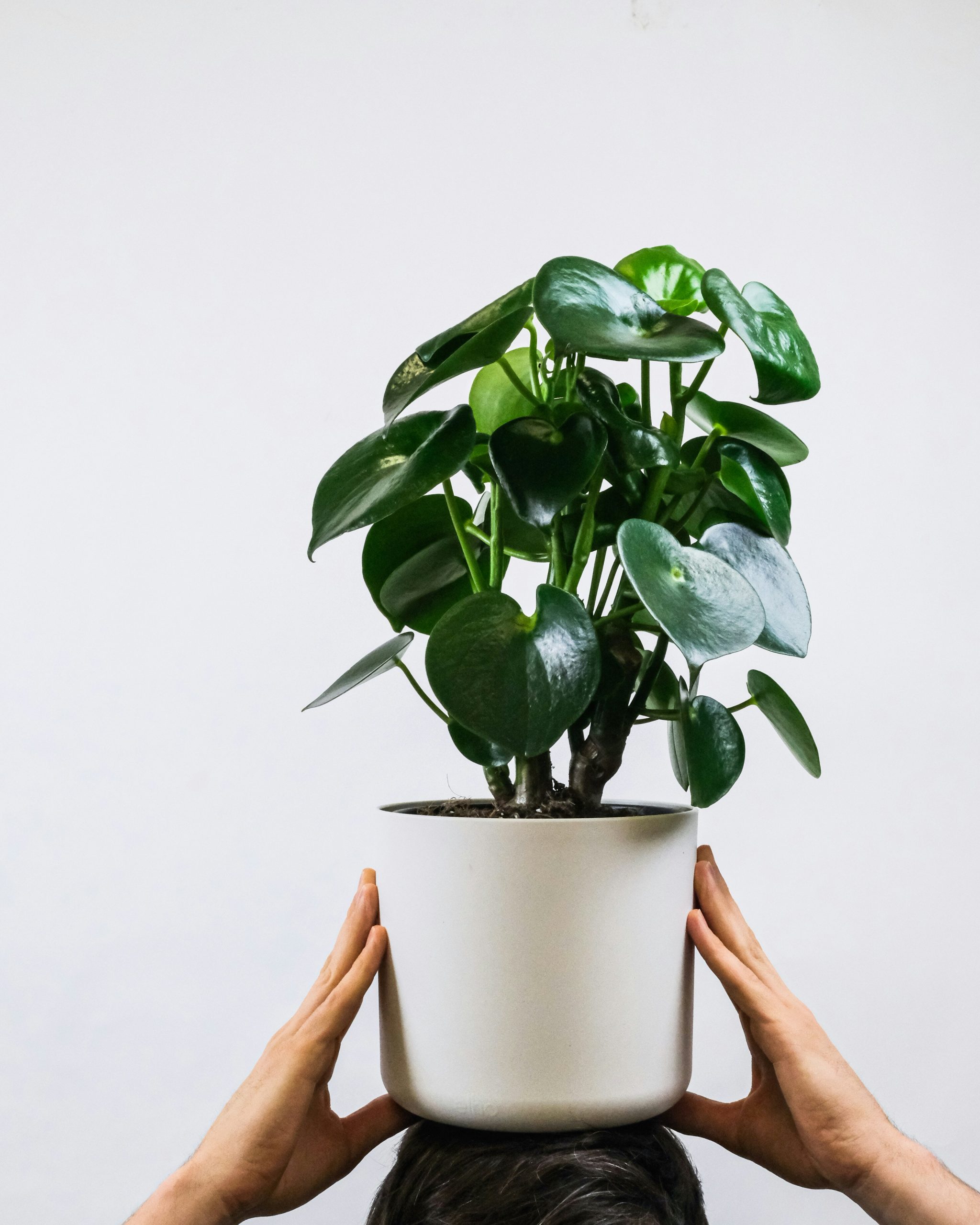
Peperomias are ideal for desks, shelves, and small spaces where a compact, low-maintenance plant is needed. The variety within the genus is significant — watermelon peperomia, rubber peperomia, ripple peperomia, and others all look quite different but share the same basic care needs.
Potting & Repotting
Repot every two to three years in spring, or when visibly root-bound. Peperomias do not need large pots — their root systems are shallow and they prefer slightly snug conditions.
Common Pests & Problems
- Mushy leaves at the base: Root rot from overwatering. Remove from pot, trim rotten roots, repot in fresh compost and reduce watering frequency.
- Wrinkled leaves: Underwatering or root rot. Check the soil and roots.
- Ring spot on leaves: Peperomia ring spot virus. Remove affected leaves. In severe cases, dispose of the plant.
- Fungus gnats: Overwatering and wet surface compost. Allow the top of the soil to dry out between waterings.
FAQ
How do I know which peperomia I have?
With over a thousand species the genus is diverse, but most sold in UK shops are a handful of popular varieties: Peperomia argyreia (watermelon), P. caperata (ripple), P. obtusifolia (rubber), and P. scandens (trailing). The care is similar across all of them.
Why is my peperomia dropping leaves?
Usually overwatering or sudden temperature change. Check the roots for rot and ensure the plant is not near a cold draught.
Can peperomia grow in water?
Peperomia cuttings root easily in water, but the plants are not suited to permanent water culture.
Do peperomias flower?
Yes — peperomias produce thin, upright flower spikes (rat tail flowers) that are not ornamentally significant. Most growers remove them. They do not indicate anything about the plant’s health.