| At a Glance | |
| Common Name | Purple Shamrock, Wood Sorrel |
| Plant Type | Bulbous tropical perennial |
| Light Required | Bright indirect light |
| Soil / Medium | Light, well-draining houseplant compost |
| Difficulty | Easy |
| Mature Size | 15–30cm |
| Toxicity | Mildly toxic to cats and dogs in large quantities |
| Native Habitat | Brazil |
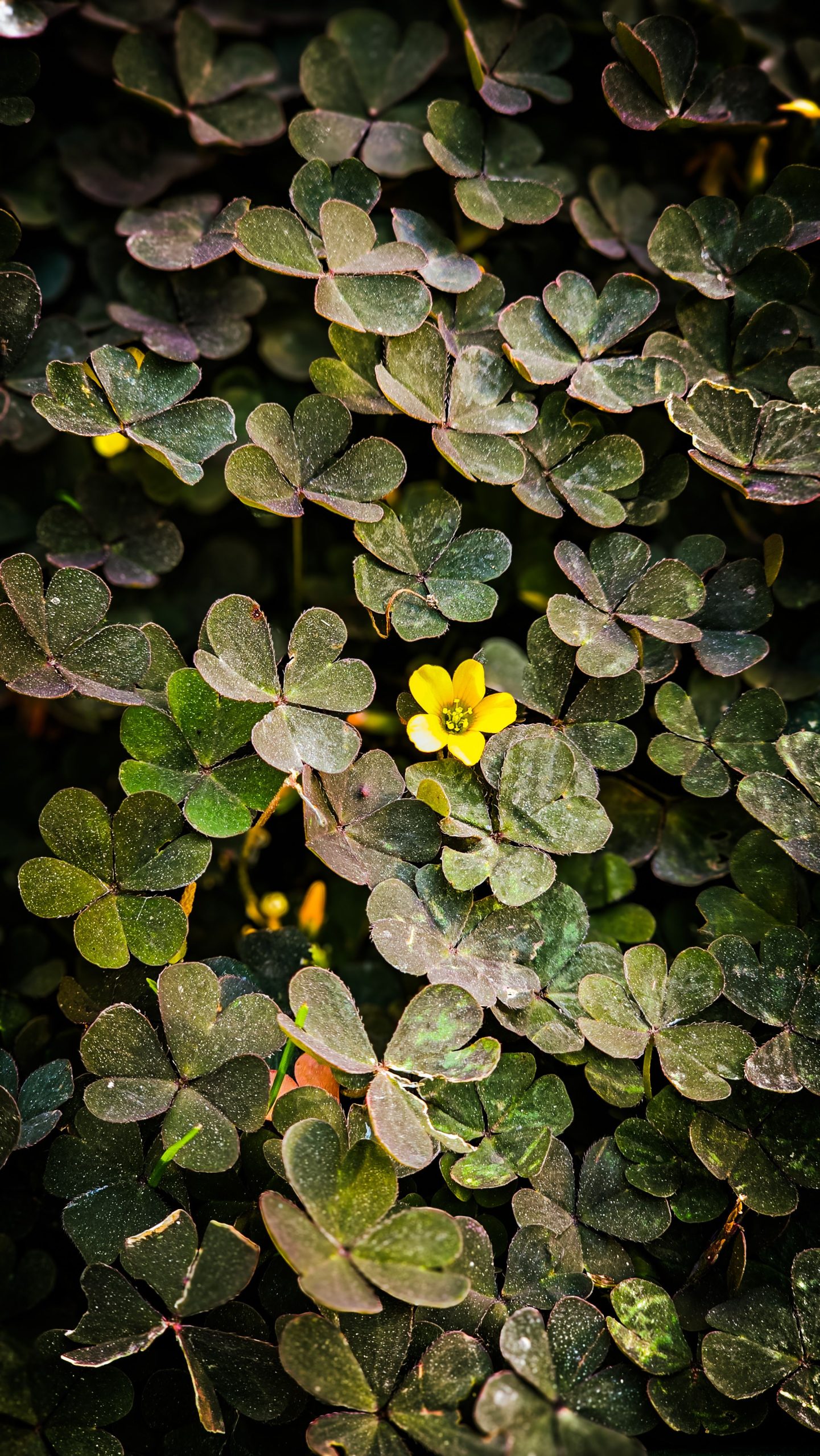
Oxalis triangularis — often called the purple shamrock — has deep burgundy, three-lobed leaves that fold up at night and reopen in light. It is a bulbous plant from Brazil that grows from small corms, goes dormant periodically, and produces delicate pale pink flowers throughout much of the year. It is one of the more distinctive and underrated houseplants available in the UK.
Light Requirements
Bright indirect light brings out the deepest colour in the leaves and promotes the most consistent flowering. In lower light the leaves turn greener and more washed out, losing the striking purple colouration that makes the plant distinctive.
Some direct morning sun is tolerated and beneficial, but midday sun in summer can scorch the leaves.
Soil & Growing Medium
Light, well-draining houseplant compost. Oxalis triangularis grows from small corms that prefer to dry out partially between waterings rather than sitting in consistently moist soil. Good drainage is more important than soil fertility.
Watering
Water when the top half of the soil has dried out. Oxalis is prone to rot if overwatered. During active growth, this typically means every ten to fourteen days.
When the plant goes dormant (leaves die back entirely), stop watering and allow the soil to dry out completely. The corms are resting and should not be watered during this period.
Temperature & Humidity
Oxalis triangularis prefers 16-24°C. It tolerates typical UK indoor temperatures well. It does not need high humidity and handles the dry air of centrally heated homes without problems.
Fertilising
Feed monthly during active growth with a balanced liquid fertiliser at half strength. Do not feed during dormancy.
Grow Light Compatibility
Oxalis responds well to grow lights for maintaining the purple leaf colour and supporting flowering in low-light spaces. A moderate full-spectrum LED on a 12-hour cycle works well.
Toxicity
Oxalis species contain oxalic acid and are mildly toxic to cats and dogs if eaten in large quantities. Small amounts cause minor irritation. Keep out of reach of pets that are likely to chew plants.
Pruning
Remove yellowing or dead leaves as they appear. When the plant goes dormant, cut back all the dead foliage and wait. New growth will emerge from the corms after a rest period of four to eight weeks.
Propagating
Oxalis propagates very easily by dividing the corms at repotting time. Separate the small corms and pot them individually or in groups for a fuller effect. The corms multiply readily and you will soon have more plants than you need.
Indoor Setup Notes
Oxalis triangularis is one of the most visually interesting small houseplants for bright indoor spaces. The leaf-folding movement (nyctinasty) is similar to the prayer plant and makes it interesting to observe. The plant goes through natural dormancy cycles — do not mistake this for the plant dying. After a few weeks of rest, new growth emerges reliably.
Potting & Repotting
Repot every one to two years in spring, dividing the corms if the pot is crowded. A shallow, wide pot suits the corm-based root system better than a deep one.
Common Pests & Problems
- Leaves going green: Insufficient light. Move to a brighter spot to restore the purple colouration.
- Sudden leaf die-back: The plant has entered dormancy. This is normal — stop watering and wait for regrowth.
- Rot: Overwatering. Allow the soil to dry out more between waterings.
- Spider mites: Treat with neem oil.
FAQ
Why are all my oxalis leaves dying?
The plant has entered dormancy — this is completely normal and happens periodically. Cut back the dead foliage, stop watering, and leave in a cool spot for four to eight weeks. New growth will emerge from the corms.
How do I get the leaves to stay purple?
Bright indirect light. In lower light, the leaves become greener. Some direct morning sun also intensifies the colour.
Is oxalis the same as a shamrock?
Oxalis triangularis is often called a purple shamrock. True shamrocks are usually Trifolium or Oxalis acetosella. The three-lobed leaf shape is the connection.